Is It Okay If My Child Doesn’t Make Eye Contact? A Gentle Explanation for Parents
By Wellness Hub
Last Updated: January 9, 2026
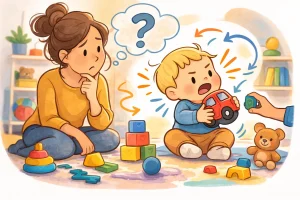
If you’ve noticed that your child doesn’t make much eye contact, it’s completely natural to feel concerned. Many parents quietly wonder if this means their child isn’t connecting, listening, or developing the way they should. These thoughts often come from love and attentiveness—not from doing anything wrong.
The truth is, eye contact develops differently for every child. Some children look often and briefly. Others connect in ways that don’t always involve looking directly at a face. Understanding this can help ease worry and bring more calm into everyday interactions.
Quick Reassurance
Yes, it can be okay if your child doesn’t make much eye contact. Eye contact develops gradually and varies from child to child. Many children show connection through brief glances, shared play, smiles, or actions rather than steady looking. Limited eye contact alone does not automatically signal a problem.
Why Eye Contact Gets So Much Attention
Eye contact is often talked about as a sign of attention, bonding, or learning. Because of this, parents may naturally watch for it during play, feeding, or conversation.
Concerns usually arise when:
- A child looks away often
- Eye contact feels brief or inconsistent
- Comparisons with other children stand out
- Advice from others highlights eye contact as important
These worries are common and understandable.
Read More: How to Help Your Child Maintain Eye Contact During Play and Daily Routines
What Eye Contact Really is (and Isn’t)
Eye contact is just one part of how children connect. It’s not the only way, and it’s not always the most comfortable way for every child.
Eye contact is:
- A form of shared attention
- Often brief in early childhood
- Closely tied to comfort and interest
Eye contact is not:
- A test of intelligence
- Proof that a child is listening
- A measure of emotional bonding on its own
Connection can happen in many ways besides looking.
How Eye Contact Develops Over Time
Eye contact usually emerges gradually. It may look different at different ages and stages.
Some children:
- Glance quickly, then return to play
- Look during exciting or emotional moments
- Avoid looking when concentrating hard
- Use body language, sounds, or actions to connect
These patterns can all be part of typical development.
Why Some Children Make Less Eye Contact
There are many gentle, everyday reasons a child may not make much eye contact.
These can include:
- Being deeply focused on objects or play
- Feeling overwhelmed by too much stimulation
- Processing language or sounds differently
- Simply having a different interaction style
None of these automatically mean something is wrong.
Is My Child Still Connecting Without Eye Contact?
Yes. Many children show strong connection even when eye contact is limited.
Signs of connection can include:
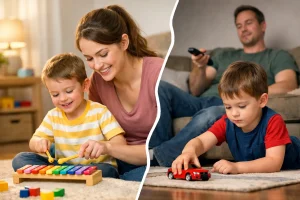
- Bringing toys to share
- Responding to your voice
- Smiling or laughing during play
- Checking in briefly during activities
- Staying close during routines
These moments matter just as much.
Should Parents Encourage Eye Contact?
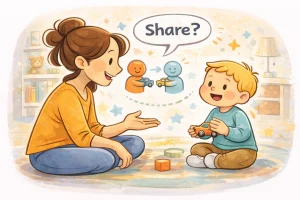
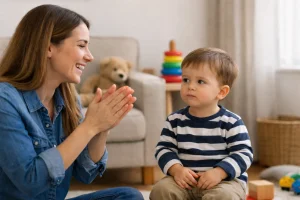
Gentle encouragement is different from pressure. Eye contact grows best when it happens naturally, not when it’s demanded.
Helpful approaches include:
- Following your child’s interests
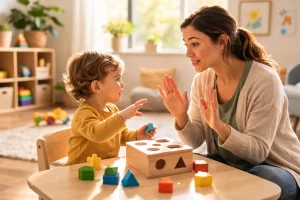
- Creating playful, relaxed interactions
- Pausing during routines to allow shared moments
- Responding warmly to any glance, no matter how brief
This keeps interaction comfortable and positive.
What Progress With Eye Contact Often Looks Like
Progress is often subtle. It may not look like long, steady looking.
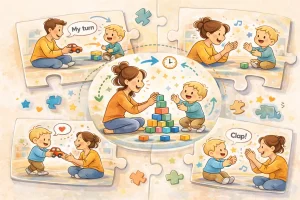
You might notice:
- Slightly more frequent glances
- Looking up during familiar routines
- Brief eye contact paired with smiles
- Checking in during play before returning to activity
These small changes are meaningful.
Letting Go of Comparison
Every child develops at their own pace. Comparing eye contact across children can increase stress and hide real progress.
What’s more important than comparison is:
- Your child’s comfort
- Enjoyment during interaction
- Willingness to engage
- Emotional safety
Eye contact grows within these foundations.
A Calm Way Forward for Parents
If your child doesn’t make much eye contact, you don’t need to panic or push harder. Connection doesn’t come from forcing behaviors—it comes from shared, relaxed moments.
Trust that bonding can look different from child to child. If questions continue or worries grow, gentle guidance can help you feel more confident and supported.
Frequently Asked Questions
1. Is it normal for toddlers to avoid eye contact?
Yes, many toddlers avoid eye contact at times, especially when they’re focused on exploring or learning something new. Brief or inconsistent eye contact can be part of typical development. Toddlers often connect through movement, play, and shared activities rather than steady looking.
2. Does lack of eye contact mean my child isn’t listening?
Not necessarily. Many children listen and understand while looking elsewhere. Some focus better without direct eye contact. Listening, responding, and following directions can all happen even when a child isn’t looking at a face.
3. At what age should children make eye contact?
There isn’t a single age when eye contact suddenly appears. It develops gradually over time. Some children show early glances, while others increase eye contact slowly as they grow more comfortable with interaction.
4. Should I ask my child to “look at me”?
It’s usually more helpful to invite connection rather than ask directly. Creating playful moments, pausing, or using expressive voices can encourage natural eye contact without making it feel like a demand.
5. Can a child bond without eye contact?
Absolutely. Bonding happens through shared experiences, comfort, and responsiveness. Many children show strong attachment through actions, proximity, and emotional responses rather than frequent eye contact.
6. Why does my child make eye contact sometimes but not always?
Eye contact often depends on comfort, interest, and energy. A child may look more during familiar routines or playful moments and less when tired, overwhelmed, or deeply focused.
7. Is brief eye contact still meaningful?
Yes. Short glances are often an important step in connection. Many children use quick looks to “check in” before returning to play. These moments count as progress.
8. Can forcing eye contact cause problems?
Forcing eye contact can make interaction feel stressful and reduce comfort. Most children respond better when eye contact happens naturally within relaxed, enjoyable moments rather than through pressure.
9. When should parents consider extra support?
If concerns persist over time or if eye contact difficulties are accompanied by challenges in communication, play, or connection, gentle professional guidance can be helpful. Support doesn’t mean something is wrong—it simply offers reassurance and clarity.
10. What’s the best way to support eye contact at home?
Focus on connection rather than correction. Follow your child’s lead, enjoy shared routines, respond warmly to any glance, and keep interactions calm and playful. These everyday moments support natural development.
Book your Free Consultation Today
Parent/Caregiver Info:
Client’s Details:
* Error Message