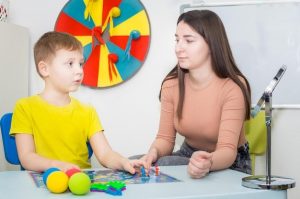
It’s Okay if Your Toddler Only Gives Quick Glances During Play
By Wellness Hub
Last Updated: March 23, 2026
If your toddler only looks briefly during play, it can stir up a lot of feelings. You might wonder if you are doing something wrong, or notice other children who seem to hold eye contact longer and start comparing. I want to gently reassure you that quick glances can be a very real form of connection. For many toddlers, a split second look, a tiny smile, or a fast “check in” is exactly how shared attention begins.
Long, steady eye contact is not the goal in everyday life. Real play is busy. Toddlers are moving, exploring, and thinking hard. A quick look toward your face can be their way of saying, “Did you see that?” or “Are we doing this together?”
Also read: Why won’t my child make eye contact during play with me?
When your toddler only looks briefly, what might they be communicating?
A short glance can carry a lot of meaning. Toddlers often look at faces for information, not as a performance. They might be checking your reaction, looking for reassurance, or sharing a moment of excitement. Then they go right back to what they were doing, because their attention is pulled toward the toy, the movement, or the next idea.
Here are a few common messages behind quick looks:
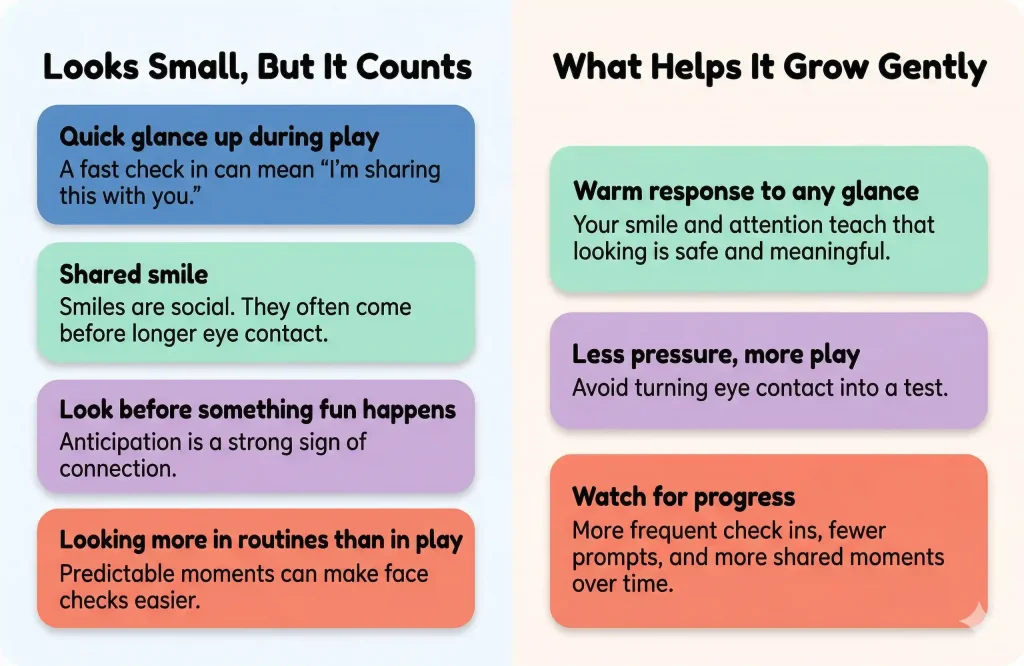
- Some toddlers glance up right before something fun happens, like you rolling a ball back or blowing bubbles. That look is anticipation. It is social, even if it is quick.
- Others look after they do something interesting, like stacking a block or making a toy light up. That is sharing. They are inviting you into their success.
- Many toddlers look more during routines than during open ended play. Meals, dressing, bath time, and greetings are predictable. Predictable moments make it easier to fit in a quick face check.
- And sometimes a toddler looks briefly because they are simply focused. Concentration can look like ignoring faces, even when a child feels safe and connected.
- If you are seeing any of these little “check ins,” you are already seeing the early building blocks of eye contact during play.
What enough eye contact during play can look like in real life
A lot of parents carry an invisible picture of what eye contact is “supposed” to look like. Usually it is a child sitting still, looking up, holding a gaze, and appearing fully engaged. That picture can make real toddler behavior feel like it falls short.
In real life, eye contact during play is often:
- A glance toward your eyes and then back to the toy
- A shared smile while something silly happens
- Looking at your face when you pause, wait, or take a turn
- A quick look during a routine, like right before you lift them out of the bath
Checking in when something changes, like a new sound or a new person entering the room
It can help to think of eye contact as punctuation, not a paragraph. Little moments sprinkled through an interaction can still create a strong sense of “we are doing this together.”
If your child looks at you for half a second and you respond warmly, that moment counts. It is not a trick. It is connection.
Why quick glances often come before longer looks
Many toddlers start with quick looks because it is the easiest version of the skill. A glance is low effort. It does not interrupt play for long. It is also a safe way to connect without feeling put on the spot.
Longer looks tend to grow out of repeated experiences where a child learns, “When I look at you, something good happens.” Good does not have to mean a reward. It can mean you smile back, you continue the game, you copy their sound, or you respond with a playful face.
This is one reason pressure can backfire. When eye contact becomes a demand, it stops feeling like a natural part of interaction. Many toddlers will look away more, not because they cannot connect, but because the moment feels too intense.
If your child is already offering quick glances, you have something important to build on. The foundation is there. It often grows through lots of tiny, positive experiences, not through longer and longer “practice sessions.”
Small signs of progress you might be missing day to day
When parents are worried, they often overlook the good things that are already happening. Progress with eye contact is usually subtle. It shows up as a shift in the feel of your interaction, not a sudden change to long, steady looking.
You might notice:
- Your child glances at you more often when something is funny or surprising
- They look up when you pause, like they are waiting for your next move
- They check your face in new situations, then return to play
- They seem to “include” you more, even if they are not looking for long
- You are needing fewer prompts or fewer repeated attempts to get a shared moment
Another quiet sign is that your child begins to look at you in specific games but not everywhere yet. That is still growth. Skills often appear first in comfortable, familiar moments, then spread to other routines over time.
If you are seeing even one of these changes, it is reasonable to feel hopeful. This is how many toddlers build connection, one small moment at a time.
Gentle ways to support more face check ins without making it a big deal
Most families do not need a special setup to support this. The most helpful changes are usually small and relational. Think: positioning, timing, and your response.
- Eye level helps. When your face is easier to find, quick glances happen more naturally. This is especially true during floor play, book sharing, and routines like dressing.
- Pauses create space. Many toddlers look up when something briefly stops and they are waiting for what comes next. A tiny pause before you continue a fun action can invite a glance without you asking for one.
- Warm reactions teach the lesson. When your child looks toward your face, even for a moment, your smile, your playful tone, or simply continuing the interaction is a powerful message. “Yes, I’m here. I saw you.”
- Keep language light. Some parents find it helps to comment instead of question. Questions can accidentally feel like a test. Simple, friendly narration can feel easier for a toddler to stay connected with.
- Routines matter as much as play. Eye contact during routines often grows faster because the pattern is predictable. Meals, bath, diaper changes, and greetings are full of natural “check in” moments.
If you have been searching for how to encourage eye contact, this is often the most sustainable answer: make connection easy to choose, then respond like it matters.
Common worries that can make quick glances feel not good enough
Parents rarely worry because they want perfection. They worry because they want to feel connected, and they want to know their child is okay.
A few thought patterns come up a lot:
1. I have to get longer eye contact or it does not count.
In reality, frequency often comes before duration. More small looks can be a stronger sign of engagement than one long stare.
2. My child looks at toys, not faces, so they must not be social.
Many toddlers are object focused during play. Looking at a toy can be part of learning. The social part can be the quick glance that says, “Join me.”
3. Other kids look more, so something is wrong.
Temperament matters. Some toddlers are naturally more observant and quiet. Others are more physically busy. Both can be connected.
4. I keep saying look at me and it’s not working.
You are not alone in trying that. Many parents do. Often it just adds pressure, and pressure makes looking harder.
If you are holding a lot of worry, it can help to reframe the goal. You are not trying to get your child to perform eye contact. You are building a comfortable back and forth relationship where looking at you is one easy option.
A calming note if you are still uneasy about eye contact
Sometimes parents ask a bigger question underneath the day to day moments: why won’t my child make eye contact the way I expected? If that is where your mind goes, it helps to remember that eye contact is influenced by many things, including attention, personality, sensory preferences, and comfort in the moment. A toddler who looks briefly can still be deeply attached and engaged.
If you are noticing that connection feels hard across most settings, or progress feels stuck for a long time, it is okay to want another set of eyes. Some families consider developmental screening to better understand communication delays or possible autism-related differences, not because anyone is jumping to conclusions, but because good support is practical and relationship focused.
Support can also be simple. A therapist can help you adjust routines, reduce pressure, and find the kinds of interactions that invite more shared attention in a way that fits your child.
Closing reassurance: your toddler only looks briefly, and that can still be connection
If your toddler only looks briefly , you are not failing, and your child is not ignoring you. Quick glances and shared smiles are often the earliest version of eye contact during play, and they can be meaningful. When you respond warmly to those tiny looks, you are teaching your child that faces are safe, helpful, and worth returning to.
Try to measure progress by connection, not by seconds. Over time, many toddlers move from occasional glances to more frequent check ins, then to slightly longer looks when they are excited, curious, or waiting for you. Gentle growth is still real growth.
About the Author:
Shravanaveena Gajula
M.Sc ., Speech and Language Pathology (5+ years of experience)
Shravanaveena Gajula is a dedicated Speech-Language Pathologist with a BASLP and an M.Sc in Speech and Language Pathology. With experience spanning multiple settings, including Wellness Hub , Veena specializes in a wide range of disorders from developmental issues in children to speech and language assessments in adults. Her expertise includes parent counseling, managing speech sound and fluency disorders, and creating individualized therapy programs. Veena is also PROMPT certified and an author of several insightful blogs on speech and language pathology, aiming to educate and assist caregivers in supporting their loved ones.
Book your Free Consultation Today
Parent/Caregiver Info:
Client’s Details:
* Error Message