Best First Words and Vocabulary App for Toddlers
By Wellness Hub
Last Updated: December 10, 2025
Is your toddler starting to say a few new words… but you wish they could learn more, faster, and in a fun, simple way? You’re not alone. Many parents today look for first words apps and vocabulary learning tools to help their child pick up everyday words, understand language better, and communicate confidently.
That’s exactly where the BASICS App stands out. Designed for toddlers (ages 1–3), late talkers, and children with speech delay, BASICS makes early vocabulary learning easy through real-life pictures, clear audio, simple flashcards, and interactive naming games.
If you’re searching for the best first words & vocabulary app for toddlers, this guide will walk you through why first-word apps matter, what features truly help children learn, and why thousands of parents trust BASICS for their child’s early speech and language development.
Why First Words & Vocabulary App Matter for Toddlers (Ages 1–3)
During the toddler years, your child’s brain goes through its fastest stage of language growth. Ages 1–3 are when children learn to understand words, name familiar objects, point to things they want, and imitate what parents say. This early stage—often called the first 100 words phase—is the foundation for strong communication skills later in childhood.
Understanding and naming everyday items like ball, milk, dog, mama, or book helps toddlers make sense of their world. When children consistently hear, see, and practice these words, their vocabulary expands naturally. This is why parents are encouraged to use interactive tools that make learning simple and engaging.
For many families today, first words and vocabulary app have become a helpful part of this routine. These apps provide structured, repetitive exposure to new words through real pictures, clear audio, and simple flashcards, which toddlers respond to easily. They work especially well for late talkers or children who are shy speakers because the pace is gentle, visual, and predictable.
App like BASICS also support toddlers with speech delay, offering a child-friendly way to practice naming, imitation, and early word use at home. The more opportunities a toddler gets to hear, repeat, and explore vocabulary, the faster their language develops—making early intervention easier and more effective.
What Parents Should Look for in a First Words App
Choosing the right first words app for your toddler can make a huge difference in how quickly and confidently they start talking. A well-designed app should feel simple, child-friendly, and aligned with the way toddlers naturally learn—through repetition, play, and real-world connections. Here’s what parents should focus on when picking a vocabulary app for toddlers, especially if your child is a late talker or needs extra language support.
Real Pictures + Clear Audio
Toddlers learn best when words match what they see in real life. Look for apps that use real photos and natural voice pronunciation, not overly animated images or robotic speech. It helps children understand and name everyday objects easily, building those important first 100 words.
Interactive Flashcards & Simple Learning Games
Early learners thrive when reading and play come together. The best app use interactive flashcards, naming activities, and simple vocabulary games that encourage toddlers to tap, listen, and repeat. This boosts memory, imitation, and early speech skills in a fun and stress-free way.
Essential Toddler-Friendly Categories
A strong first words app should include the vocabulary toddlers use the most: animals, foods, colors, shapes, home items, toys, and body parts. These everyday categories help your child communicate basic needs, follow routines, and talk more during daily activities.
Speech-Therapist Recommended Features
Apps designed with early intervention in mind offer features like clear labeling, slow pacing, simple visuals, and real-world words. These are especially helpful for late talkers, toddlers with speech delay, or children who benefit from structured repetition.
Safe Screen Time + Parent Controls
Young children need protected, mindful screen time. Look for apps that include ad-free learning, timer options, and parent controls, so your toddler stays focused and safe. Short, guided sessions help children engage without overstimulation
Why BASICS Is the Best First Words & Vocabulary App for Toddlers
As a parent, you want your child’s first words to come naturally, confidently, and in a way that feels fun—not forced. The BASICS App was created exactly for that. Designed by early childhood and speech experts, BASICS helps toddlers learn everyday vocabulary through simple interactions, real pictures, and developmentally appropriate activities. Whether your child is just starting to talk or needs extra support, BASICS makes early word learning easy, engaging, and effective.
Simple, Child-Friendly Vocabulary Learning
The BASICS App keeps learning effortless for little ones. Toddlers don’t need complicated menus or fast-moving games—they need simple, predictable exposure to real words. BASICS uses:
- First words flashcards that are easy to tap and explore
- Real voice pronunciation to help toddlers imitate correct sounds
- Everyday vocabulary categories like animals, foods, home items, clothes, and actions
- Clean, high-quality visuals that help children connect each word with its real meaning
This simple design ensures your toddler learns the most important early words they’ll use at home, during routines, and in everyday interactions.
Supports Late Talkers & Early Speech Development
Many parents turn to BASICS because it supports children who need a little extra help with talking. The app includes gentle, research-backed techniques that speech therapists use during early intervention. These features help toddlers who:
- Are late talkers
- Have mild speech delay
- Struggle with naming familiar objects
- Need more practice with imitation and attention
BASICS encourages your child to listen, repeat, point, and name—to build foundational language skills one small step at a time.
Designed for Toddlers With Autism & Social Delays
Children with autism or social communication challenges often benefit from visuals that are clear, slow-paced, and distraction-free. BASICS was intentionally built with these needs in mind:
- Clear visuals that avoid clutter or overstimulation
- No distracting animations or ads
- Step-by-step learning flow so toddlers can move at their own pace
- Predictable navigation that supports routine-based learning
Because of this, BASICS is a calming, structured tool that helps toddlers understand words, make connections, and communicate more confidently.
BASICS vs. Other First Words App: What Makes It Better?
When you search for the best first words app for toddlers, you’ll find dozens of options—many with cute animations, bright colors, and fast-paced games. But what truly matters for your child’s speech and vocabulary growth is how naturally and effectively they learn new words. This is where the BASICS App stands far ahead of typical toddler vocabulary apps.
Below is a clear, parent-friendly comparison to show what makes BASICS genuinely better for toddlers, late talkers, and children who need early speech support.
Real-Life Images vs. Cartoon Style
Most toddler apps rely heavily on animated objects or cartoon drawings. While they look fun, they don’t always match real-world objects. BASICS uses real-life pictures, so your toddler learns words they can recognize at home—apple, shoes, milk, dog, ball.
This helps toddlers connect words to real objects faster, improving vocabulary retention and everyday communication.
Structured Vocabulary Building (Not Random Words)
Many apps present words in a random, fast-paced format. BASICS follows a structured learning path that introduces words gradually, based on how toddlers naturally learn.
Children practice essential early vocabulary through simple flashcards, naming practice, and repetition, which strengthens attention, listening, and early word use.
More Everyday Functional Words
Parents often notice that other apps focus only on animals or colors. BASICS covers a wide range of functional vocabulary toddlers actually use daily:
- home items
- foods and drinks
- actions and routines
- toys
- family members
- body parts
These words help toddlers express needs, follow routines, and talk more throughout the day.
Progress Tracking & Simple Parent Insights
Unlike generic first words apps that only show flashcards, BASICS gives light, non-overwhelming progress insights. Parents can see what their child is practicing more, how often they engage, and which word categories they enjoy.
This helps you personalise home practice and understand your toddler’s learning style.
Easy for 1–3 Year Olds to Use Without Help
Some apps overwhelm toddlers with buttons, menus, or fast animations. BASICS is designed for tiny hands and short attention spans.
Children can use it independently because:
- screens are simple
- buttons are large
- navigation is minimal
- learning flow is slow, calm, and predictable
Perfect for little learners who are just starting to explore apps.
Works as an At-Home Speech Therapy Support Tool
If your toddler is a late talker, has speech delay, or needs extra early language stimulation, BASICS doubles as a gentle at-home speech therapy support tool.
It reinforces key skills used in therapy sessions:
- naming
- imitation
- joint attention
- following simple prompts
- vocabulary expansion
Parents get a simple, research-backed tool that supports early intervention right at home.
How BASICS Helps Build the First 100 Words
One of the biggest milestones in toddlerhood is learning the first 100 words—the foundation for sentences, conversations, and confident communication. The BASICS App is designed to help toddlers learn these early words in a natural, structured, and engaging way. Instead of overwhelming children with too many categories, BASICS focuses on everyday vocabulary that toddlers actually use at home, during routines, and in real-life situations.
Here’s how BASICS makes learning simple and meaningful for toddlers ages 1–3:
Animals
Toddlers love animal sounds and animal naming. BASICS uses real animal images, helping children easily learn words like dog, cat, cow, bird, and fish. Animal words are often a toddler’s first vocabulary because they’re fun, familiar, and easy to imitate.
Foods & Drinks
Teaching food names helps toddlers communicate hunger, preferences, and daily needs. BASICS includes clear images of fruits, snacks, meals, and drinks so children can learn words like milk, banana, apple, water, and bread—useful during mealtime routines.
Home Items
Everyday objects like cup, chair, bed, shoes, and soap are part of a toddler’s daily environment. BASICS introduces functional home vocabulary that helps toddlers follow routines and request items independently.
Actions & Routines
Toddlers learn best when vocabulary is connected with movement. BASICS teaches simple action words like eat, sit, wash, sleep, play, open, and run, making it easier for children to follow instructions and express what they want to do.
Colors, Shapes, & Objects
Early learning also includes basic colors, simple shapes, and common objects. BASICS presents these in a slow, calm format so toddlers can recognize everyday items, match them, and understand early concepts through repetition.
Family + People
Words like mama, papa, baby, sister, teacher, and friend help toddlers talk about the people in their life. BASICS includes familiar family and social vocabulary, supporting early social communication and emotional understanding.
Body Parts
Naming body parts is essential for toddlers’ self-awareness, dressing routines, and safety. BASICS includes clear visuals for words like eyes, nose, hands, feet, and mouth, helping children learn to identify and describe themselves.
Outdoors Vocabulary
BASICS also introduces simple outdoor words like car, tree, sun, ball, and park. These help toddlers connect language with real outdoor experiences and activitie
Tips for Parents Using First Words Apps at Home
Using a first words app like BASICS becomes most effective when parents turn screen time into learning time. Toddlers learn language through connection, repetition, and real-life experiences—so a simple app can become a powerful tool when paired with the right habits at home. Here are easy, practical, parent-tested tips to help your child build stronger vocabulary every day.
Sit With Your Toddler While They Learn
Toddlers learn best when a parent is close by. Sit next to your child, point at the pictures, repeat the words, and show excitement. Your presence turns the BASICS App into a warm, interactive experience rather than passive screen time.
Practice Naming Together
Encourage your toddler to name the object after the app says it. If they can’t say the full word yet, accept any sound or attempt. Celebrate even small efforts—claps, smiles, or a gentle “yes, that’s a dog!” boost confidence and encourage talking.
Keep Sessions Short, Fun, and 5–10 Minutes
Toddlers learn more from multiple short sessions than long ones. A quick 5–10 minute BASICS session once or twice a day keeps their attention fresh and helps words stick. Stop the moment your toddler loses interest—learning should always feel playful.
Pair App Time With Real-Life Objects
The best way to help words “stick” is by connecting the digital image to something real.
If the app shows an apple, show them a real apple.
If they learn shoe, let them point to their shoes.
This bridges the gap between learning and everyday life, helping toddlers understand words faster.
Use It With Daily Routines
Turn everyday moments into vocabulary practice:
- Eating → name foods
- Dressing → name clothes and body parts
- Playtime → name toys and actions
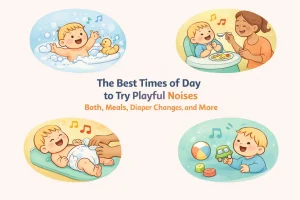
- Bath time → name soap, water, bubbles
Using BASICS before or after these routines helps toddlers link words to real-life activities.
Avoid Passive Screen Time
Toddlers shouldn’t watch the app silently. Encourage tapping, naming, pointing, and imitation. The more active they are, the better their language grows. BASICS is designed to be slow and interactive so toddlers stay engaged without overstimulation.
Combine BASICS With Talking, Gestures, and Books
Apps are a great support tool, but your child learns language most deeply through human interaction.
Use:
- Gestures (pointing, waving)
- Simple talk (“Look, a dog!”)
- Picture books
- Real conversations
BASICS gives structure; you make those words meaningful through daily interactions.
Conclusion
BASICS is the simplest and most effective first words app for toddlers. With real pictures, clear audio, and distraction-free screens, it helps young children learn everyday words quickly and confidently. BASICS gives toddlers ages 1–3 the early language boost they need, especially if they are late talkers or have speech delay. Parents love how safe, easy, and child-friendly the app feels. Short, fun sessions help kids build vocabulary, understand routines, and use their first 100 words in real life.
If you want a trusted, parent-approved way to build your toddler’s speech at home, try BASICS today.
Frequently Asked Questions:
1. What is the best first words app for toddlers?
The BASICS App is one of the best first words apps for toddlers because it uses real pictures, clear audio, and simple flashcards that help children learn everyday vocabulary easily.
2. Can first words apps help late talkers?
Yes. First words apps like BASICS support late talkers by giving repeated exposure to common words, encouraging naming, and building early speech skills in a calm, simple format.
3. Are vocabulary apps good for toddlers with speech delay?
Vocabulary apps are helpful for toddlers with speech delay, especially when they use real images, slow pacing, and interactive learning—features the BASICS App is built around.
4. What age is ideal for using a first words app?
Most parents start using first words apps between 1–3 years, when toddlers are learning their first 100 words and beginning early communication.
5. How many minutes should my toddler use a vocabulary app?
Short sessions of 5–10 minutes are perfect. This keeps learning fun and avoids screen overload.
6. Are first words apps safe for toddlers?
Apps like BASICS are safe because they use ad-free screens, simple layouts, and gentle visuals designed for young children.
7. Should I sit with my toddler while using the app?
Yes. Sitting with your child helps them imitate words, stay engaged, and use the app as active learning, not passive screen time.
8. Do first words apps replace speech therapy?
No. Apps do not replace therapy, but they support early language development and help toddlers practice vocabulary at home.
9. What vocabulary categories should a good toddler app include?
A strong app should include animals, foods, drinks, home items, actions, colors, shapes, family members, and body parts—all included in the BASICS App.
10. How does BASICS help toddlers learn faster?
BASICS uses real pictures, clear sounds, slow pacing, and daily-use vocabulary that children can use immediately in real life. This helps toddlers learn and remember words faster.
About Wellness Hub
Wellness Hub is a trusted digital platform that empowers parents, caregivers, and professionals with science-backed tools for childhood development. From online speech therapy to home therapy resources, we offer a holistic ecosystem for children facing speech delays, autism, ADHD, and other developmental challenges.
Rooted in evidence-based practices and delivered by certified experts, Wellness Hub bridges the gap between accessibility and quality care. Whether you need at-home speech strategies, developmental checklists, or interactive mobile apps like BASICS, we make early intervention affordable and family-friendly.
Start your journey today with expert guidance tailored to your child’s unique communication and learning needs—anytime, anywhere.
Book your Free Consultation Today
Parent/Caregiver Info:
Client’s Details:
* Error Message