Vocabulary Building Worksheets for Toddlers and Preschoolers
By Wellness Hub
Last Updated: December 22, 2025
Vocabulary building worksheets for kids help young children learn new words in a simple, structured way. These worksheets support early language growth by showing words with pictures, clear examples, and short activities that are easy to understand. Parents, caregivers, and therapists often use them to strengthen everyday communication skills at home and in early learning settings.
This guide explains what vocabulary building worksheets are, why they matter, and how to use them effectively with toddlers and preschoolers.
What Are Vocabulary Building Worksheets for Kids?
Vocabulary building worksheets for kids are learning sheets designed to teach new words in a child-friendly way. They often include pictures, matching tasks, circling activities, simple writing, or pointing exercises.
These worksheets focus on common words children hear and use daily, such as names of objects, actions, people, and places. The goal is to help children understand words first and then use them while speaking.
Why Vocabulary Building Is Important in Early Childhood
Strong vocabulary skills support a child’s overall language development. When children know more words, they can express their needs, feelings, and ideas more clearly.
Early vocabulary growth also helps with:
- Understanding instructions
- Following simple conversations
- Building early reading readiness
- Improving confidence in communication
Vocabulary building worksheets for kids give repeated exposure to words, which helps children remember and use them naturally.
How Vocabulary Building Worksheets Help Children Learn Words
Worksheets work best when they are simple and visual. Young children learn faster when words are linked to pictures and real-life examples.
Vocabulary building worksheets for kids help by:
- Showing clear pictures with one word at a time
- Encouraging children to point, say, or circle words
- Repeating the same words across activities
- Supporting both listening and speaking skills
These steps make word learning less confusing and more enjoyable.
Types of Vocabulary Building Worksheets for Kids
Different worksheets target different word skills. Using a mix keeps learning balanced and engaging.
1. Picture-to-Word Matching
Children match pictures to the correct word. This builds word understanding before speaking.
2. Name and Identify Worksheets
These worksheets ask children to name objects, animals, or people shown in pictures.
3. Action Word Worksheets
Children learn verbs like run, eat, jump, or sleep using clear action pictures.
4. Category-Based Vocabulary Worksheets
Words are grouped by themes such as foods, animals, body parts, or home items. This helps children organize words in their mind.
5. Simple Writing or Tracing
Older preschoolers may trace or copy words to connect spoken and written language.
Vocabulary Building Worksheets for Toddlers
For toddlers, worksheets should be very simple. One picture and one word per page works best. Activities should focus more on pointing and naming rather than writing.
Good toddler worksheets:
- Use large, clear pictures
- Focus on familiar daily words
- Avoid clutter or too many choices
- Encourage adults to say the word aloud
At this stage, the adult’s interaction matters more than finishing the worksheet.
Vocabulary Building Worksheets for Preschoolers
Preschoolers can handle slightly more structure. Worksheets may include matching, circling, or filling in simple answers.
These worksheets help preschoolers:
- Learn new words beyond daily routines
- Use words in short phrases
- Prepare for early reading skills
- Improve attention and listening
Keeping instructions short and clear is key.
How Parents Can Use Vocabulary Building Worksheets at Home
Parents do not need to teach like a classroom. Worksheets work best when used naturally.
Helpful tips:
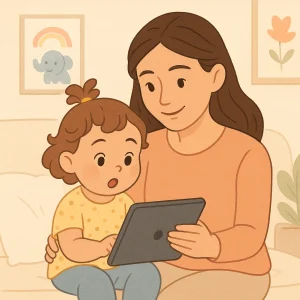
- Sit with your child and talk about each picture
- Say the word clearly and repeat it
- Encourage your child to point or say the word
- Use the same word later during daily activities
Short, regular practice works better than long sessions.
How Therapists and Educators Use Vocabulary Building Worksheets
Speech therapists and early educators often use worksheets to support structured learning goals. They help track progress and target specific word types such as nouns, verbs, or categories.
Worksheets are often combined with:
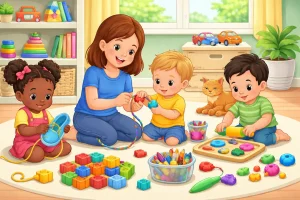
- Play-based activities
- Real objects and toys
- Songs and stories
This approach helps children use new words in real situations.
Common Mistakes to Avoid
Even helpful worksheets can become less effective if used incorrectly.
Avoid:
- Forcing a child to complete every page
- Correcting too often or too strictly
- Using worksheets without talking about the pictures
- Choosing worksheets that are too advanced
Vocabulary learning should feel supportive, not stressful.
Choosing the Right Vocabulary Building Worksheets for Kids
When selecting worksheets, look for:
- Age-appropriate language
- Clear and simple pictures
- One learning goal per worksheet
- Familiar words before new ones
Good vocabulary building worksheets for kids focus on understanding first, not memorization.
Conclusion
Vocabulary building worksheets for kids are a useful tool for early language development when used correctly. They support word learning through repetition, visuals, and simple interaction.
Whether you are a parent, caregiver, or therapist, these worksheets work best when combined with talking, playing, and everyday experiences. With patience and regular practice, children can build strong vocabulary skills that support lifelong communication.
Frequently Asked Questions:
1. What are vocabulary building worksheets for kids?
Vocabulary building worksheets for kids are learning sheets that help children learn new words using pictures, matching, and simple activities. They support early word learning in a fun and easy way.
2. At what age can kids start using vocabulary building worksheets?
Most children can start using vocabulary building worksheets from around 18 months to 2 years, with adult help. Toddlers can point to pictures, and preschoolers can name and match words.
3. How do vocabulary building worksheets help language development?
Vocabulary building worksheets help children understand new words, remember them, and use them while speaking. Repeating words with pictures makes learning easier and clearer.
4. Are vocabulary building worksheets good for toddlers?
Yes, vocabulary building worksheets for kids work well for toddlers when they are simple. Worksheets with one picture and one word help toddlers learn without feeling confused.
5. How often should my child use vocabulary building worksheets?
Short practice works best. Using vocabulary building worksheets 2 to 4 times a week for a few minutes is enough. Daily talking and play are just as important.
6. Can vocabulary building worksheets improve my child’s speech?
Vocabulary building worksheets can support speech by helping children learn and understand more words. Children often start using new words naturally after repeated practice.
7. Should parents sit with their child during worksheet activities?
Yes, parents should sit with their child. Saying the words aloud, pointing to pictures, and talking about them helps children learn faster than working alone.
8. What kind of words are taught in vocabulary building worksheets for kids?
Most vocabulary building worksheets for kids teach common words like animals, foods, body parts, actions, and everyday objects that children see often.
9. Are vocabulary building worksheets useful for preschoolers?
Yes, vocabulary building worksheets help preschoolers learn new words, build sentence skills, and get ready for early reading and classroom learning.
10. Can vocabulary building worksheets replace play and talking?
No, worksheets should not replace play or conversation. Vocabulary building worksheets work best when combined with daily talking, reading, and playtime.
Book your Free Consultation Today
Parent/Caregiver Info:
Client’s Details:
* Error Message