Who Questions for Kids: Examples, Pictures and Practice
By Wellness Hub
Last Updated: December 19, 2025
Simple Examples, Picture Support, and Printable Practice Ideas
Understanding and answering who questions is an important part of early language development. These questions help children learn about people, roles, and actions in everyday life. For many toddlers and preschoolers, answering “who” questions takes time and practice.
This guide explains what who questions are, why they matter, and how parents can teach them at home using simple language, pictures, and daily routines.
What Are Who Questions for Kids?
Who questions ask a child to identify a person. These questions focus on people instead of objects or places.
Examples include:
- Who is eating?
- Who is your teacher?
- Who helps you at the hospital?
Unlike “what” questions, which focus on objects, who questions require children to recognize people and connect them to actions or roles.
Why Who Questions Are Important for Children
Who questions support several early skills at the same time.
They help children:
- Understand spoken language
- Pay attention to actions and roles
- Learn social information
- Answer everyday questions from adults
Answering who questions also prepares children for preschool routines, story comprehension, and classroom conversations.
When Do Children Learn to Answer Who Questions?
Most children begin responding to simple who questions between 2 and 5 years of age. This does not happen all at once.
Children usually learn in stages:
- First by pointing
- Then by saying one word
- Later by using short phrases
Some children need more repetition and visual support. This is common and expected, especially for toddlers and children with language delays.
Types of Who Questions for Kids
Starting with simple and familiar people helps children succeed.
1. Who Is It?
These questions focus on recognizing familiar people.
- Who is this?
- Who is mommy?
- Who is your brother?
2. Who Is Doing the Action?
These questions connect people to actions.
- Who is running?
- Who is eating?
- Who is sleeping?
3. Who Has It?
These questions focus on ownership.
- Who has the ball?
- Who has the bag?
4. Who Helps Us?
These questions introduce community helpers.
- Who helps when we are sick?
- Who puts out fires?
Who Questions Examples for Kids
Parents can practice who questions during daily routines.
Simple examples include:
- Who is brushing teeth?
- Who is driving the car?
- Who is cooking food?
- Who is playing with the toy?
If a child does not answer, model the response calmly.
“Who is eating? Daddy is eating.”
Teaching Who Questions at Home
Teaching who questions works best when practice feels natural.
Helpful tips:
- Use real people in the child’s life
- Ask one question at a time
- Pause and wait for a response
- Accept pointing at first
- Model answers without pressure
Short and frequent practice works better than long sessions.
Who Questions for Kids With Pictures
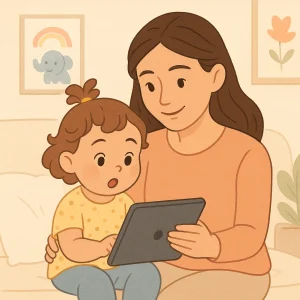
Pictures make who questions easier to understand.
Visual support helps children:
- Focus on the person
- Understand the action
- Process the question faster
Good pictures show:
- One clear person
- One clear action
- No background distractions
Family photos, picture books, and flashcards work well.
Printable Who Questions for Kids (Downloadable PDFs)
Printable who question resources help with structured practice at home or in therapy.
They are useful when:
- A child needs repetition
- Parents want guided practice
- Visual clarity is important
Who Questions Printable Resources
| Who Question Type | Focus Area | Resource Link |
|---|---|---|
| Who Questions: People in Action | Identifying people based on actions | Download PDF |
| Who Questions: Professions | Identifying community helpers and jobs | Download PDF |
| Who Questions: Professions (Who does…?) | Matching professions to actions | Download PDF |
| Who Questions: Family | Identifying family members | Download PDF |
How to Use Who Question Flashcards Effectively
Flashcards work best when used slowly and intentionally.
Try this approach:
- Ask the question
- Give two answer choices if needed
- Reduce choices over time
- Encourage spoken responses
- Praise effort, not accuracy
Avoid turning flashcards into a test.
Common Mistakes When Teaching Who Questions
Some common challenges include:
- Asking long or complex questions
- Moving too fast
- Correcting every mistake
- Skipping visual support
Children learn better when practice feels safe and predictable.
Who Questions Activities for Toddlers and Preschoolers
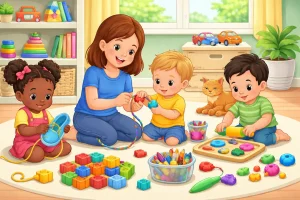
You can practice who questions during play.
Simple activities:
- Ask questions while reading books
- Use toys and role play
- Ask questions during meals
- Talk about people during outings
Everyday moments offer natural learning opportunities.
Helping Children Who Struggle With Who Questions
Difficulty with who questions is common.
Helpful strategies:
- Simplify the question
- Use pictures
- Repeat the same question across days
- Model answers consistently
If concerns continue, a speech-language professional can guide next steps.
Who Questions vs Other WH Questions
- Who questions focus on people.
- What questions focus on objects.
- Where questions focus on places.
Many children find who questions harder because they involve social understanding. Starting with who questions builds a strong base for later WH questions.
Conclusion
Who questions help children understand people and social roles. With patience, repetition, and visual support, most children learn to answer them successfully. Focus on progress, not perfection. Small steps add up over time.
Frequently Asked Questions:
1. What are who questions for kids?
Who questions are questions that ask about people.
They help children understand who is doing an action or who a person is.
2. At what age should kids answer who questions?
Most children start answering simple who questions between 2 and 5 years old.
Some children need more time and practice.
3. Why are who questions important for kids?
Who questions help children:
- Understand people and actions
- Improve listening skills
- Build social understanding
They are an important step in language development.
4. How do I teach who questions to my child at home?
Start with people your child knows.
Use short questions, wait for an answer, and model the response if needed.
Practice during daily routines.
5. Are who questions harder than what questions?
Yes. Many children find who questions harder because they involve people, not objects.
This is normal.
6. Do pictures help children learn who questions?
Yes. Pictures make who questions easier to understand.
Clear pictures help children focus on the person and the action.
7. What are some easy who questions for toddlers?
Examples include:
- Who is eating?
- Who is running?
- Who is mommy?
- Who is playing?
Keep the questions short and simple.
8. How many who questions should I practice each day?
A few minutes each day is enough.
Short and regular practice works better than long sessions.
9. What should I do if my child points instead of answering?
Pointing is a good first step.
Say the answer out loud so your child can hear the correct response.
10. Are printable who questions worksheets helpful?
Yes. Printable who question worksheets and flashcards help with structured practice, especially when pictures are used.
Book your Free Consultation Today
Parent/Caregiver Info:
Client’s Details:
* Error Message