Articulation Practice at Home: How the BASICS App Can Improve Clear Speech
By Wellness Hub
Last Updated: December 8, 2025
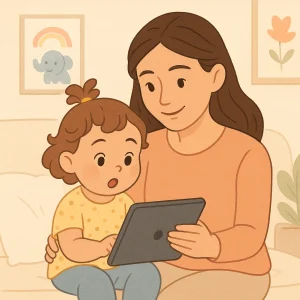
At Wellness Hub, we designed the BASICS App to make clear-speech practice simple for parents. With child-friendly exercises, sound models, and easy daily routines, the app helps your child learn how to move their tongue, lips, and jaw the right way — all through fun, short activities.
Is your child talking, but the words don’t sound clear yet? Many parents notice sounds like S, R, L, SH, CH coming out unclear — and that’s completely normal in early childhood. But with the right articulation practice at home, your child can make steady, confident progress.
At Wellness Hub, we designed the BASICS App to make clear-speech practice simple for parents. With child-friendly exercises, sound models, and easy daily routines, the app helps your child learn how to move their tongue, lips, and jaw the right way — all through fun, short activities.
What Is Articulation and Why Kids Struggle With Clear Speech?
Articulation is the way a child uses their tongue, lips, teeth, and jaw to produce speech sounds. When these parts work together smoothly, children can say words clearly and confidently. But many toddlers and preschoolers are still learning how to control these movements, which is why speech may sound unclear during early development.
Parents often notice difficulty with sounds like L, R, S, SH, CH, and TH. These are called late-developing sounds, and they need more coordination and practice. A child may replace sounds (“wabbit” for “rabbit”), drop sounds (“nake” for “snake”), or distort them. These are common articulation errors and are usually part of normal development — but they also tell us which sounds need more support.
Unclear speech becomes a concern when your child is hard to understand at age 3–4, becomes frustrated when talking, or if teachers and family members struggle to follow what they are saying. This may be a sign they need structured practice, early guidance, or a speech therapy app like the BASICS App to support clearer pronunciation at home.
Early Help Matters: How Home Articulation Practice Supports Speech Development
Early support makes a big difference in how clearly a child learns to speak. When parents introduce simple daily articulation practice at home, children get more opportunities to hear, repeat, and master tricky sounds. Just a few minutes a day of guided repetition — saying sounds like S, R, L, SH, CH, TH slowly and clearly — helps the brain and mouth muscles learn the right movement patterns.
Consistency is the real key. A child may practice a sound once in therapy, but when parents repeat that same sound at home through small daily routines, the progress becomes much faster. Simple habits — practicing words during play, repeating sounds in front of a mirror, or reviewing a few exercises in a speech therapy app — help strengthen sound clarity over time.
Parent-led practice does not replace professional therapy, but it greatly supports it. Speech therapists often recommend home practice because children learn best through frequent, short, enjoyable repetition. When parents take an active role, the child gains confidence, remembers the correct sound placement, and begins using clear speech in everyday conversation.
Read more: Why BASICS is the Best Speech Therapy App for Home Use
Why Parents Choose the BASICS App for Articulation Practice at Home
Parents want a speech therapy app that is simple, trustworthy, and truly helpful for improving their child’s speech clarity. The BASICS App, created by expert therapists at Wellness Hub, is designed exactly for that purpose. Every feature supports clear speech development through easy, structured articulation practice at home — even for busy families.
The app offers child-friendly activities, clean visuals, slow sound models, and step-by-step guidance so parents know exactly how to help their child practice sounds like L, R, S, SH, CH, and TH. Each articulation exercise is broken into small, manageable steps, making it easier for children to understand where their tongue or lips should be for every sound.
Parents also appreciate the clear instructions for each speech sound. Instead of guessing how to teach a sound, the BASICS App shows how the sound is made, provides example words, and includes repeat-after-me exercises that build confidence and correct pronunciation.
Another powerful feature is progress tracking. Parents can see exactly which sounds their child is improving, how often they practice, and which exercises need more repetition. This gives families a sense of direction and helps maintain consistency — a key factor in helping kids develop clear speech.
Also read: BASICS – A Story Based Speech and Autism App for Kids
How the BASICS App Improves Clear Speech (Step-by-Step)
The BASICS App is designed to help children build clear, confident speech through simple, structured articulation practice at home. Each feature is created by Wellness Hub therapists to support families with a step-by-step learning experience that strengthens sound accuracy, mouth coordination, and daily communication skills. Here’s how the app breaks it down for parents and children.
1. Slow and Clear Speech Sound Models for Kid
Children learn best when they can hear a sound slowly and clearly. The BASICS App provides high-quality sound models for tricky articulation sounds like S, R, L, SH, CH, and TH.
Kids can listen, watch, and repeat at their own pace, helping them understand exactly how a sound should “feel” and “sound” when spoken correctly. This builds strong auditory awareness — the first step to clear speech.
2. Mouth-Placement Videos for Sounds Like S, R, L, SH
Many articulation errors come from incorrect tongue or lip placement. To make this easier, the BASICS App includes simple mouth-placement videos created by speech therapists.
These visuals show children where their tongue, teeth, and lips should be for each sound. Parents no longer have to guess — the video models explain it clearly, making practice smoother and more accurate.
3. Fun Articulation Games and Picture Cards
Young children learn best through play. That’s why the app includes interactive articulation games, picture cards, and child-friendly activities that turn practice into something fun rather than stressful.
These mini-games help children repeat sounds naturally while staying engaged. Whether it’s matching pictures, saying words out loud, or completing simple challenges, every game is designed to improve speech clarity and confidence.
4. Repetition Practice for Daily Sound Improvement
Clear speech develops through repetition. The BASICS App provides short, guided practice sessions that parents can use daily.
By repeating the same sounds and words for a few minutes each day, children strengthen their speech muscles, build consistency, and begin using the correct sounds in everyday conversation. Simple routines lead to powerful results when practiced regularly.
5. Parent Tips and Home Activities Inside the App
Parents play the biggest role in helping a child improve articulation. To support this, the BASICS App includes easy parent tips, practical home activities, and simple strategies recommended by Wellness Hub therapists.
These tips help families bring articulation practice into daily life — while playing, reading, or talking at home. It gives parents confidence and clarity on what to do, how to guide their child, and how to support progress between therapy sessions.
Simple Articulation Exercises Parents Can Do at Home
You don’t need special equipment or long practice sessions to help your child speak more clearly. Small, simple articulation exercises done at home can make a big difference in sound clarity and confidence. These activities are easy to add to your daily routine and work beautifully alongside a speech therapy app like the BASICS App. Here are some parent-friendly exercises to get started.
Everyday Words Practice (Easy Repeat-After-Me Words)
Children learn sounds faster when they hear and repeat them in short, simple words. Choose everyday words your child already uses — like sun, car, lion, shoe, rabbit, fish — and say them slowly and clearly.
Ask your child to repeat after you, focusing on one target sound at a time (for example, the “S” sound in sun or the “L” sound in lion).
These repeat-after-me moments take only a few seconds but strengthen correct pronunciation and help your child practice tricky articulation sounds in real-life language.
Mirror Speech Practice for Mouth Movement
A mirror is one of the best tools for articulation practice. Sit with your child in front of a mirror and show them how your mouth moves for sounds like S, R, L, SH, CH, TH.
Kids love copying faces, and mirror play helps them understand tongue placement, lip rounding, and jaw movement.
This visual feedback makes articulation practice more accurate and helps children see the difference between correct and incorrect mouth movements.
Picture Cards and Mini Games for Clear Speech
Picture cards help children connect sounds with real objects. You can use simple flashcards or the ones inside the BASICS App. Show a picture and ask your child to name it using the correct sound.
Turn it into a mini-game:
- “Say the word five times!”
- “Find all the pictures with the S sound!”
- “Which picture starts with L?”
These small games make articulation practice fun and reduce pressure, helping children speak clearly without feeling like they are doing “work.”
Signs Your Child May Need Extra Articulation Support
Every child develops speech at their own pace, but some signs can help parents understand when extra support may be helpful. Paying attention to early speech patterns allows you to step in sooner, giving your child the confidence and clarity they need while speaking. Here are a few common indicators that your child may benefit from additional articulation practice at home.
Unclear Speech at Age 3–4
By age 3–4, most children can be understood by familiar adults. If your child’s speech is still difficult to understand or only you can interpret what they are trying to say, it may mean they are struggling with articulation. Sounds like S, R, L, SH, CH, TH often develop later, but consistent difficulty may signal the need for targeted practice.
Frustration When Talking
Children who struggle to form sounds correctly often feel frustrated when trying to express themselves. They may avoid speaking, give very short answers, or get upset when others can’t understand them. This emotional frustration is a gentle sign that your child needs more structured support.
Teachers or Caregivers Not Understanding the Child
If teachers, grandparents, or caregivers regularly ask your child to repeat themselves, it means the speech clarity challenges are noticeable beyond the home. This is a clear indicator that your child could benefit from regular articulation exercises or a guided speech therapy app.
Difficulty Producing Certain Sounds
Some articulation challenges show up as sound substitutions (“wabbit” for “rabbit”), omissions (“nake” for “snake”), or distortions of sounds. Struggling consistently with sounds like R, S, L, SH, CH, TH often suggests that your child needs help learning proper tongue and lip placement.
How the BASICS App Makes Practice Easy for Parents
Parents often want to help their child practice speech at home, but they may not know where to start or how to teach specific sounds. The BASICS App, created by expert therapists at Wellness Hub, was designed to remove this confusion and make articulation practice simple, structured, and stress-free for families.
Quick Daily Routines
Busy parents don’t need long practice sessions. The BASICS App breaks articulation exercises into short, easy routines that fit naturally into your day — whether it’s after school, during playtime, or before bedtime. Just a few minutes of targeted practice each day can lead to stronger sound clarity over time.
Progress Reminders
Staying consistent is one of the biggest challenges in speech practice. The app sends gentle progress reminders to parents, helping you build a steady home routine. These reminders keep your child engaged and ensure that each important sound gets enough repetition for real improvement.
Simple Guidance Created by Speech Therapists
Every activity inside the BASICS App is created by certified Wellness Hub speech therapists. You get step-by-step guidance, slow sound models, and mouth-placement tips that show exactly how to help your child produce each sound correctly. No guesswork — just clear, expert-backed instructions that parents can follow with confidence.
No Complicated Setup — Works for Toddlers and Preschoolers
The app was designed with young children in mind. Clean visuals, child-friendly activities, and easy navigation make articulation practice accessible for both toddlers and preschoolers. Parents don’t need special tools or technical skills; your phone or tablet is all you need.
When to See a Speech Therapist for Articulation Issues
While home practice and speech therapy apps can significantly improve your child’s sound clarity, there are times when professional support becomes essential. Understanding when to seek help allows parents to act early and ensure their child gets the right guidance at the right time.
If Sound Errors Continue After Expected Age Milestones
Every speech sound has a typical age when children learn it. Sounds like P, B, M develop early, while sounds such as R, S, L, SH, CH, TH take longer. If your child continues to make the same sound errors even after reaching these developmental milestones, it may be a sign that they need direct support from a speech therapist. Early intervention helps prevent long-term communication challenges.
Know more: Speech Sound Errors in Children: Milestones and When to Seek Help
If Home Practice Shows Slow or Limited Progress
Consistent home articulation practice — whether through everyday routines or the BASICS App — usually leads to noticeable improvement over time. But if you feel your child is not progressing, still avoids certain words, or continues to get frustrated while speaking, a therapist can evaluate deeper underlying issues such as oral-motor coordination, phonological patterns, or tongue placement difficulties.
BASICS App Supports but Does Not Replace Professional Guidance
The BASICS App is a powerful tool for home practice, sound repetition, and building confidence, but it is not a substitute for professional assessment when needed. A speech therapist can give personalized evaluations, identify specific sound errors, and create a tailored plan based on your child’s unique speech needs.
Articulation Practice Routine: A 10-Minute Daily Plan for Parents
A short, structured routine can make articulation practice easy and effective for busy families. You don’t need long sessions or advanced techniques — just 10 focused minutes a day can help your child build stronger speech clarity. This routine works beautifully with the BASICS App and gives parents a simple path to follow.
2 Minutes – Listen to the Sound Model
Start by letting your child listen to the target sound in a slow, clear, child-friendly voice. Hearing the correct sound helps the brain understand how it should be produced.
In the BASICS App, each articulation sound comes with therapist-designed sound models that show how the sound is spoken. Encourage your child to watch and listen carefully — this builds awareness before practice begins.
What this improves:
- Auditory discrimination
- Understanding of correct pronunciation
- Awareness of tongue and lip placement
3 Minutes – Repeat Words in the BASICS App
Next, move to word-level practice. Let your child repeat simple words that include the target sound. This step helps them apply what they just heard and begin using the sound in real speech.
The BASICS App offers easy repeat-after-me words, clean visuals, and guided cues so parents don’t have to guess which words to choose.
Tips:
- Keep it fun and encouraging
- Focus on accuracy, not speed
- Celebrate small wins to build confidence
What this improves:
- Consistency of sound production
- Confidence while speaking
- Ability to use the sound in familiar words
3 Minutes – Play an Articulation Game
End the routine with something enjoyable. Play a short articulation game to help your child practice the sound naturally.
The BASICS App includes picture cards, matching games, and simple challenges that keep children engaged while strengthening their sound skills.
Examples:
- “Find the picture with the S sound!”
- “Say this word five times!”
- “Can you match the sound to the picture?”
What this improves:
- Generalization of the sound in play
- Motivation to keep practicing
- Carryover into daily speech
Conclusion
Clear speech develops through small, daily practice at home. When parents guide their child with simple routines and positive encouragement, progress becomes faster and more natural. The BASICS App makes articulation practice easy by offering clear sound models, fun activities, and therapist-designed guidance that parents can trust. With consistent use, children learn better pronunciation and gain confidence in everyday communication. Wellness Hub is always here to support families with expert tools and child-friendly resources.
Frequently Asked Questions:
1. What is articulation in speech for kids?
Articulation is how children use their tongue, lips, and jaw to make clear speech sounds. When articulation develops well, kids can pronounce words correctly and confidently. If these movements are not coordinated, speech may sound unclear.
2. What are signs my child needs articulation practice?
Unclear speech at age 3–4, frequent repetition, or frustration while talking are early signs. You may also notice your child avoiding certain words or sounds. These are good indicators that they may need extra articulation support at home.
3. Can I help my child improve speech at home?
Yes, parents can support speech development with simple daily practice. Repeat-after-me words, mirror play, and articulation games help build clarity. A speech therapy app like BASICS gives guided exercises parents can follow easily.
4. Which speech sounds are hardest for kids to say?
Sounds such as S, R, L, SH, CH, and TH are trickier because they need precise tongue and lip placement. Many children learn these later than other sounds. Extra practice helps children produce them clearly.
5. How long should articulation practice take each day?
A simple 10-minute routine is enough for most children. Short, consistent practice builds stronger speech habits than long sessions. Daily repetition helps children remember and use sounds correctly.
6. How does the BASICS App help with articulation?
The BASICS App gives slow sound models, mouth-placement videos, and fun picture-card games. Each activity is created by Wellness Hub therapists to support clear pronunciation. Parents also get progress tracking to monitor improvement easily.
7. When should my child see a speech therapist?
If sound errors continue after the expected age or home practice shows slow progress, a therapist can help. They assess deeper issues, such as oral-motor patterns or phonological errors. Early evaluation leads to faster results.
8. Is the BASICS App suitable for toddlers?
Yes, the app is designed for toddlers and preschoolers with simple visuals and short activities. Children can follow along even with limited attention span. It makes early articulation practice fun and manageable.
9. Can a speech therapy app replace real therapy?
A speech therapy app supports daily practice but does not replace a certified speech therapist. Apps help reinforce skills between sessions and guide parents at home. For persistent issues, professional evaluation is still important.
10. How quickly will my child’s speech improve?
Every child progresses at their own pace, but consistent daily practice often shows improvement within a few weeks. Clearer sounds, better pronunciation, and improved confidence are common early changes. Using the BASICS App speeds up this progress.
About Wellness Hub
Wellness Hub is a trusted digital platform that empowers parents, caregivers, and professionals with science-backed tools for childhood development. From online speech therapy to home therapy resources, we offer a holistic ecosystem for children facing speech delays, autism, ADHD, and other developmental challenges.
Rooted in evidence-based practices and delivered by certified experts, Wellness Hub bridges the gap between accessibility and quality care. Whether you need at-home speech strategies, developmental checklists, or interactive mobile apps like BASICS, we make early intervention affordable and family-friendly.
Start your journey today with expert guidance tailored to your child’s unique communication and learning needs—anytime, anywhere.
Book your Free Consultation Today
Parent/Caregiver Info:
Client’s Details:
* Error Message