10+ Simple Home Activities That Build Finger Independence No Fancy Supplies
By Wellness Hub
Last Updated: February 12, 2026
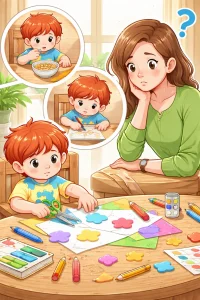
You hand your child a crayon and they wrap their whole fist around it. They poke at toys with their entire hand instead of using one finger. They grab snacks with a full palm scoop rather than a neat little pinch. And even when you know children grow at their own pace, it can still bring up a very real question: Should they be using their fingers more by now?
If this sounds familiar, you’re not alone. Many parents notice these “whole-hand” habits and worry it means their child is behind or doing something wrong. In most cases, it’s simply where their child is starting, and that starting point actually makes a lot of sense when you look at how hand skills naturally develop.
Why whole-hand use is such a common starting point
Early on, children choose what feels most stable and secure. A full-hand grasp gives them more contact with the object, more control, and less need for precise coordination. It’s a bit like choosing a wide, steady path before trying to walk on a narrow balance beam.
Using individual fingers well is a more complex skill than it appears. It asks the hand to do two things at once: keep some fingers steady while others move, and coordinate those small movements with the eyes. That kind of finger independence usually builds gradually through play and daily routines, long before it ever looks tidy or refined.
So when your child relies on their whole hand, it often means they’re using the strategy that feels safest and most reliable right now.
What using fingers really means and why it takes time
When parents think about finger skills, they often picture writing, buttoning, or holding a fork the “right” way. But underneath those tasks is a broader goal: being able to use fingers both independently and together to handle objects with ease.
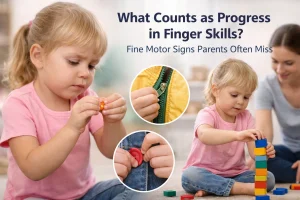
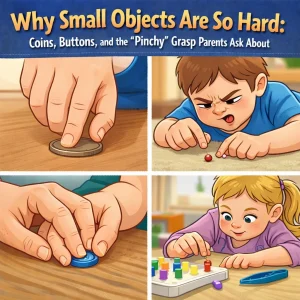
That includes isolating one finger to push a button, using a thumb and finger to pick up something small, or coordinating several fingers to pull, twist, pinch, or peel. These are the building blocks for later skills like zippers, tools, and early writing.
This is also why development can look uneven. A child might be great at pulling Velcro open using whole-hand strength but still use a fist for crayons. Or they might manage a zipper pull one day and struggle the next. That back and forth is often part of learning.
Why your child might prefer a fist or full hand grip right now
Even when children are capable of some finger movements, they may still choose a whole-hand approach for very ordinary reasons.
Sometimes it’s about speed. A full-hand grab is quicker when a child is excited, hungry, or deeply involved in play. Sometimes it’s about attention. When their mind is focused on the idea of the game, build the tower, feed the doll, race the cars, there’s less space left to think about finger placement.
Sometimes it’s about the object itself. Thick markers, big toy pieces, slippery items, stiff packaging, or tricky fasteners naturally invite a “wrap the whole hand around it” solution. And sometimes it’s simply a habit. Children repeat what works. None of this means your child won’t develop more precise finger use. It usually means their hands are still learning how to make smaller, more separated movements feel comfortable and successful.
What progress can look like it’s often subtle
Finger skills rarely appear all at once. More often, parents notice small shifts that slowly add up.
You might see your child poke with one finger during play, even if they still grab most things with a full hand. You might notice a quick pinch to pick up a crumb, followed by going back to scooping. You may see them experiment, switching grips on a crayon, turning a toy piece with their fingertips, or trying to peel a sticker with thumb and finger before asking for help.
These in-between moments matter. They’re signs your child is exploring how their fingers can work separately and together, even if the whole-hand grip is still their main choice.
Everyday experiences that naturally encourage finger independence
The good news is that many of the things children already do support finger development, especially when they feel relaxed and curious.
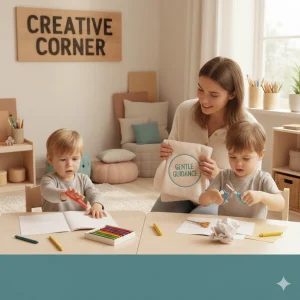
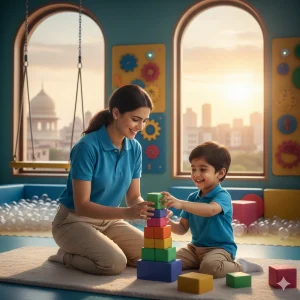
Play that involves small actions often invites fingers to take the lead. Toys with buttons to press, lids to open, pieces to turn, or small items to place naturally encourage different finger movements. Creative materials can do the same when children are free to explore instead of being told to do it a certain way.
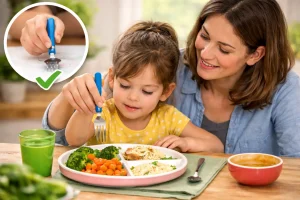
Daily routines count too. Dressing, eating, bath time, and helping around the house all offer natural chances for hands to practice. Zippers and buttons, opening containers, peeling food, stirring, or spreading are real-life moments where fingers learn to coordinate. What helps most is keeping these moments low pressure. When children feel watched or corrected, they often tighten up and go back to the easiest grip. When they feel safe and unhurried, they’re more likely to experiment.
Should I correct my child’s grip or remind them to use fingers?
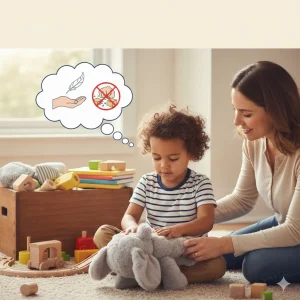
It’s understandable to want to say, “Use your fingers,” especially when you can see what they’re aiming for. But frequent corrections can sometimes work against you. Many children respond by gripping harder, rushing, or avoiding the task altogether, especially if they already feel unsure.
A gentler approach is to trust that hands learn through repetition and success. When an activity feels enjoyable and manageable, children keep trying, and those attempts are what build coordination over time.
If you feel tempted to step in, it can help to ask yourself: Is my child engaged? Are they willing to try? Do I see small changes over time? Those are meaningful signs that development is moving forward.
When is it worth paying closer attention?
Most whole-hand use is part of a normal developmental path, especially in younger children or during busy, exciting moments. Still, parents know their child best, and it’s okay to notice patterns.
You might want to look a little closer if you’re seeing ongoing frustration with everyday hand tasks, very little interest in using hands for play or self-care, or if finger use doesn’t seem to expand at all over time. Some families also reach out simply because they want ideas that match their child’s personality and daily routines.
Support doesn’t have to be a big or dramatic step. Sometimes it’s just a conversation with someone who understands child development and can help you choose a few meaningful goals to focus on at home.
A gentle way to support this skill without pressure
The skill beneath your concern, using fingers independently and together, grows best when children feel capable. Confidence is not a bonus here. It’s part of the learning process. As finger control improves, many children feel more successful with dressing, feeding, building, drawing, and playing with others. Those small wins often grow into independence and self-esteem.
If you’d like a little structure without turning home into practice time, Speech and Autism therapy apps like BASICS can help parents identify supportive goals and find simple, everyday ways to encourage them through play and routines. The aim is to keep things calm and doable, not intense or corrective.
A reassuring note to end on
A whole-hand grip is often the beginning of the story, not a sign that something is wrong. Hands usually learn big, steady movements first and then refine into smaller, more precise finger actions as children play, explore, and gain confidence.
If your child is using their whole hand right now, you’re not behind. You’re watching development in motion. And by approaching it with curiosity instead of pressure, you’re already giving your child the best space for those finger skills to grow.
Book your Free Consultation Today
Parent/Caregiver Info:
Client’s Details:
* Error Message