How to Teach Sentences to Autistic Children: A Parent’s Guide
Last Updated: May 5, 2026
Teaching sentences to autistic children is not about forcing speech or making every child talk the same way. It is about helping your child communicate needs, choices, thoughts, and feelings in a way that works for them.
Some autistic children speak in single words, some use scripts or echolalia. Some use gestures, pictures, AAC, or a mix of communication methods. The goal is not perfect grammar first. The goal is meaningful communication.
In this guide, you will learn how to build sentences through modeling, visuals, AAC, play, and daily routines. You will also learn what to avoid, how to reduce pressure, and when to ask a speech-language pathologist for support.
Important: If your child uses AAC, gestures, signs, or pictures, do not stop those supports while teaching spoken sentences. AAC can support communication and does not need to wait until a child reaches a certain age or milestone. ASHA notes that AAC includes many ways of communicating besides speech and can be used early, even for children younger than 3.
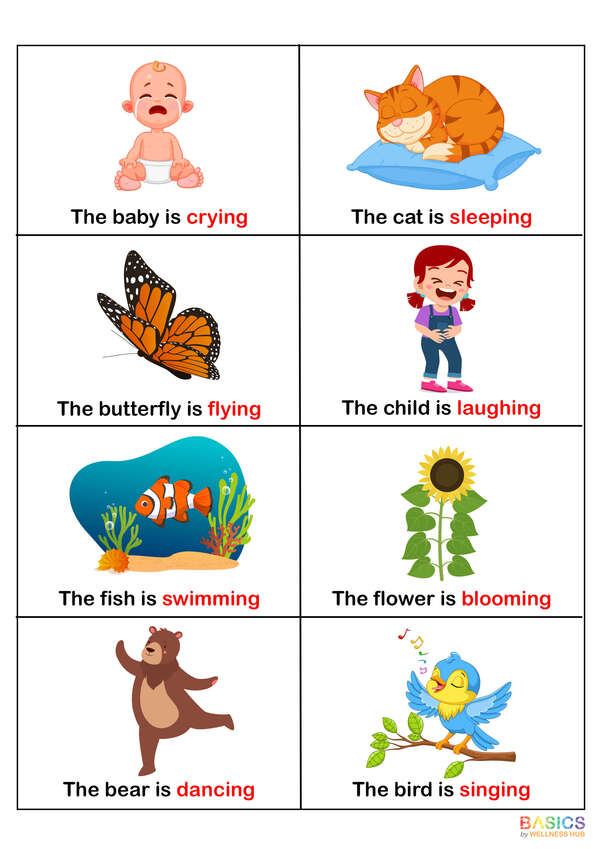
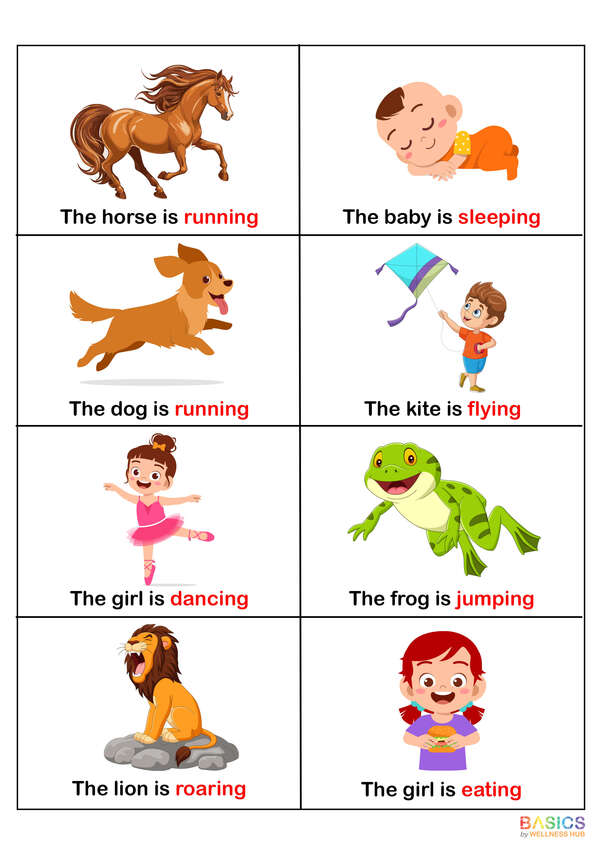
Give your child the confidence to express themselves with engaging, playful activities. Watch them build sentences effortlessly while having fun – Explore Now
Understanding Communication Challenges in Autism
Teaching sentences to children with autism requires understanding the unique challenges they face. Communication develops differently for every child, so recognizing these hurdles is the first step to helping them succeed.
Key Barriers to Sentence Formation
- Difficulty with Abstract Concepts and Sentence Structure
Many children with autism struggle to grasp abstract ideas. Phrases like “time flies” or “it’s raining cats and dogs” can be confusing. Even basic sentence structures, like combining a noun and a verb (“The cat runs“), may require extra support and repetition to master. - Limited Vocabulary and Combining Words
Building a vocabulary takes time, and some children with autism may have fewer words to work with. They might use single words like “water” or “ball” but find it hard to link them into a sentence like, “I want water” or “Throw the ball.” - Sensory Processing Issues
Background noise, bright lights, or even textures in the environment can make focusing on language tough. A child might want to practice speaking but feel overwhelmed by sensory distractions. This makes learning and retaining sentence structures more challenging.
Developmental Context
Understanding the developmental aspects of language is vital. Children with autism may experience delays in areas that directly impact communication:
- Joint Attention: This refers to the ability to focus on the same thing as someone else, like a toy or a picture. Joint attention is crucial for learning words and forming sentences, but many children with autism struggle with it.
- Processing Speed: Kids with autism often process language at their own pace. They may need extra time to understand instructions or construct a response.
- Executive Function: Planning, organizing, and executing thoughts into words require strong executive function. Children with autism might face challenges in this area, affecting their ability to create sentences spontaneously.
Types of Communicators
Every child communicates differently. Understanding your child’s communication style helps you tailor your approach:
- Nonspeaking or Minimally Speaking Communicators
Some autistic children do not use spoken words consistently. They may communicate through gestures, facial expressions, sounds, body movement, pictures, signs, or AAC devices. For these children, the goal is not to remove their current communication method. The goal is to give them more ways to express themselves.
Start with functional messages like:
Use pictures, signs, objects, or AAC along with spoken models. If your child points to a picture of juice, you can say, “Juice. You want juice.” That is sentence teaching without pressure
“more” “help” “stop” “go” “open” “all done” “I want ___” - Minimally Verbal Communicators
These children may say a few words but struggle with sentence construction. Start with simple, functional phrases like “I want” or “Help me.” Reinforce these phrases with visual cues or prompts. - Verbal Communicators
Children who speak but find forming sentences challenging benefit from structured activities. Encourage them to expand their vocabulary and practice combining words into meaningful sentences.
Before Teaching Sentences, Know Your Child’s Starting Point
Do not start with full sentences if your child is not ready for them. Start from the communication level your child already uses.
| Current Communication Level | What to Teach First | Example |
|---|---|---|
| Uses gestures or reaches | Add one word or picture | “More” |
| Uses single words | Add two-word phrases | “More juice” |
| Uses two-word phrases | Add simple sentences | “I want juice” |
| Uses scripts or repeated phrases | Shape scripts into flexible sentences | “I want ___” |
| Uses AAC or pictures | Build sentence strips on the device or board | “I want + ball” |
The mistake many parents make is jumping too fast. If your child says “water,” do not immediately demand “I want water please.” First model “want water.” Then slowly expand to “I want water.”
Step-by-Step Guide to Teaching Sentences
Teaching sentences to children with autism can feel challenging, but a clear, step-by-step approach makes it easier. These proven methods help your child build confidence while developing essential communication skills.
1. Start With Useful Sentences, Not Random Sentences
Start with sentences your child can use immediately. Functional sentences are easier to learn because they help your child get needs met, make choices, or join activities.
Good starter sentences include:
- “I want ___”
- “More ___”
- “Open ___”
- “Help me”
- “All done”
- “I see ___”
- “Go ___”
- “My turn”
- “No ___”
- “I like ___”
Start with one sentence pattern at a time. For example, practice “I want ___” for snacks, toys, books, and games before moving to another pattern.
Better progression:
| Stage | Example |
|---|---|
| One word | “Ball” |
| Two-word phrase | “Want ball” |
| Simple sentence | “I want ball” |
| Expanded sentence | “I want red ball” |
| Functional sentence | “I want red ball, please” |
Do not rush the child into longer sentences before they can use shorter phrases comfortably.pt your child makes, no matter how small. Encouragement keeps them motivated to learn and try new words.
2. Use Visual Supports for Sentence Building
Visual supports help many autistic children understand sentence structure because they make language concrete. You can use picture cards, sentence strips, objects, choice boards, or AAC.
Start with simple sentence frames:
- “I want ___”
- “I see ___”
- “I need ___”
- “I like ___”
- “I feel ___”
- “It is ___”
Example:
- I want + apple
- I see + dog
- I need + help
You can place the words and pictures from left to right so your child can see how the sentence is built.
Visual supports can help autistic children and adults communicate more clearly, and caregiver-friendly visual support toolkits recommend using visuals step by step in daily routines.d a clear, concrete way to build sentences, especially if they struggle with abstract concepts.
3. Modeling and Repetition
Use Modeling Without Pressure
Children learn language by hearing useful words many times in meaningful situations. Instead of asking your child to repeat every sentence, model the sentence naturally and pause.
For example:
- If your child reaches for cereal, say, “I want cereal.”
- If your child points to the car, say, “I see car.”
- If your child pulls your hand to the door, say, “Open door.”
- If your child cries during a task, say, “Help me” or “I need help.”
Then wait. Your child may respond with a word, sound, gesture, look, AAC selection, or movement. Accept the response and model again.
Parent script:
“You want cereal. I want cereal. Here is cereal.”
Do not say “say cereal” again and again. That often increases pressure and reduces real communication.
Sentence-Building Practice Examples for Parents
| Goal | Parent Model | Child May Say/Use | Parent Expansion |
|---|---|---|---|
| Requesting | “I want crackers.” | “Cracker” | “Yes, I want crackers.” |
| Asking for help | “Help me.” | Gesture/AAC “help” | “Help me open.” |
| Commenting | “I see car.” | “Car” | “I see red car.” |
| Refusing | “No more.” | “No” | “No more banana.” |
| Turn-taking | “My turn.” | “Turn” | “My turn. Your turn.” |
| Feelings | “I feel sad.” | Points/cries | “You feel sad. I can help.” |
| Break request | “I need a break.” | “Break” | “I need a break.” |
This table is important for featured snippets. Right now, the article has plenty of advice but not enough quick usable examples.
Effective Techniques for Sentence Building
Teaching kids with autism to build sentences requires practical and engaging techniques that meet their unique needs. These strategies ensure learning is effective, enjoyable, and easy to integrate into daily routines.
1. Visual Supports
Visual aids are powerful tools for teaching sentence construction. Kids often find it easier to understand and remember sentences when paired with visuals.
- Use PECs (Picture Exchange Communication System) to help children connect words with images. PECs can guide children to form sentences by arranging pictures in sequence (e.g., “I want” + [picture of a toy]).
- Explore apps designed for visual sentence-building, like the “BASICS” app. This app uses interactive exercises to encourage sentence practice and works well for both verbal and non-verbal children.
2. Interactive Activities
Interactive sentence-building activities keep kids engaged and motivated.
- Sentence Matching: Use flashcards or apps to match pictures to the correct words or phrases.
- Fill-in-the-Blank Games: Provide partially completed sentences and encourage kids to add the missing word.
- Magnetic Word Tiles: Let kids create their own sentences by arranging magnetic tiles on a board. This hands-on approach makes learning fun and tactile.
3. Use AAC as a Sentence-Building Tool
AAC means any communication method used to support or replace speech. It can include gestures, pictures, communication boards, signs, tablets, or speech-generating devices.
If your child uses AAC, use it to build sentences instead of waiting for speech first.
Examples:
- “I + want + chips”
- “I + need + help”
- “Go + outside”
- “More + bubbles”
- “Stop + game”
- “I + feel + sad”
Parents sometimes worry that AAC will stop a child from talking. That fear is not supported by current guidance. ASHA says AAC can be introduced early and that there are no thinking skills, test scores, or milestones a child must reach before AAC can help.
Parent tip:
Speak the sentence while pointing to the AAC symbols. This is called modeling. Your child does not need to copy immediately. Repeated modeling helps them understand how to use the system.
Read More: Understanding Augmentative and Alternative Communication (AAC) for Your Child
4. Errorless Teaching
Errorless teaching ensures kids succeed while learning, building their confidence.
- Provide clear prompts or choices to help them form sentences correctly. For example, show a picture of water and guide them to say, “I want water.”
- Gradually reduce assistance as they gain confidence and understanding. This technique minimizes frustration and creates positive learning experiences.
5. Natural Environment Teaching (NET)
NET focuses on teaching in everyday, natural settings where children feel comfortable.
- Embed sentence practice into activities your child loves. During cooking, you can model sentences like, “I need a spoon” or “Can you stir this?”
- Use outdoor play to teach practical sentences, such as “Push me, please” on a swing or “Let’s run!” during a game.
- The key is to make sentence-building part of the child’s daily life, ensuring the practice feels relevant and enjoyable.
6. Role-Playing Scenarios
Role-playing helps children practice real-world sentences in a safe environment.
- Set up scenarios like ordering food at a restaurant, asking for help, or introducing themselves.
- Model sentences first, such as “I want a sandwich,” and then encourage your child to try.
- Use toys, costumes, or props to make role-playing fun and interactive.
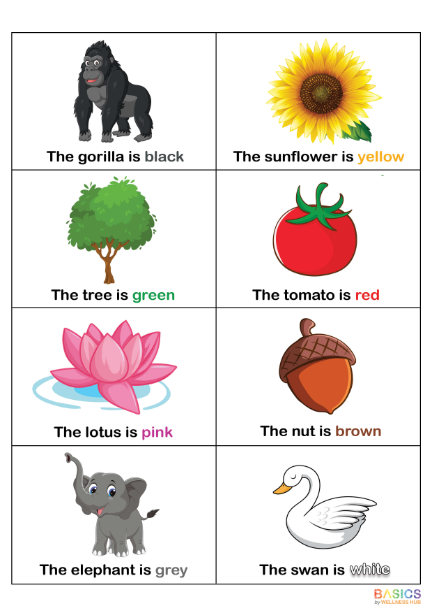
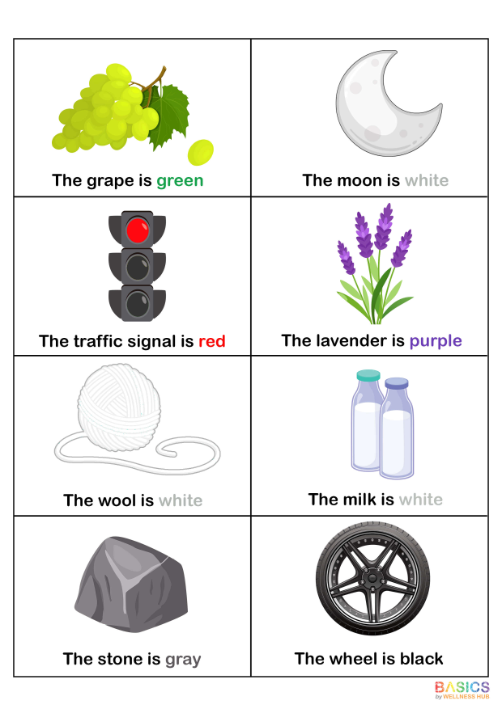
Looking for practical ways to improve your child’s language skills? Check out these easy and engaging teaching sentences for kids that you can start using at home today.
Incorporating Sentences Into Daily Life
Teaching sentences becomes more meaningful when you integrate them into everyday life. By making communication a natural part of your child’s routine, you help them build confidence and use sentences in practical, real-world situations. Below are proven strategies that parents and caregivers can use daily.
1. Functional Communication Training (FCT)
Start with sentences that fulfill your child’s immediate needs. This approach ensures that communication feels rewarding and essential. For example:
- Teach your child to say, “I want a break” when they feel overwhelmed.
- Use phrases like “I’m hungry” or “I need help” during relevant moments.
Pair these sentences with visual cues or gestures to reinforce their meaning. Over time, your child will learn to express their needs without frustration.
2. Consistency Across Settings
Practice sentences everywhere your child goes. At home, during playdates, or out in the community, consistency is key.
- At home: Use sentences during daily activities like mealtimes. For instance, prompt your child to say, “I want juice” instead of pointing.
- On playdates: Encourage phrases like “Can I play?” or “Your turn” to promote social interaction.
- In public: Practice functional sentences like “Where is the bathroom?” or “I want to go home” to build confidence outside the house.
By practicing across settings, your child learns to adapt their communication to different environments.
3. Routine Integration
Routines provide the perfect opportunity to teach and practice sentences. Since routines happen consistently, they offer repetition, which is essential for learning.
- During mealtimes, encourage your child to use sentences like “I want more rice” or “I don’t like broccoli.”
- At bedtime, introduce phrases such as “I’m sleepy” or “Read me a story.”
- During getting ready, practice sentences like “I need my shoes” or “Where is my bag?”
The more you incorporate sentences into predictable moments, the faster your child will learn to use them independently.
4. Peer Modeling
Peers can be excellent teachers. Watching other children use sentences in social settings can motivate your child to try them too.
- Arrange playdates with kids who are confident communicators.
- Encourage your child to mimic phrases like “Let’s play” or “Come here” during group activities.
- Use games that require turn-taking and communication, such as board games or building activities, to make peer interaction fun and productive.
When children see others successfully using sentences, they are more likely to imitate and practice these skills.
Common Tools and Resources for Teaching Sentences to Kids with Autism
When teaching sentences to children with autism, having the right tools can make all the difference. Whether you’re using apps, printable materials, or seeking professional guidance, these resources are designed to simplify the process and make learning fun.
1. Apps and Digital Tools
Technology offers powerful ways to support language development. These apps help children build sentences while keeping them engaged:
- BASICS: This app provides interactive lessons for teaching fundamental language skills. It includes fun activities to help children practice building sentences step-by-step.
- Proloquo2Go: A leading AAC app, Proloquo2Go helps non-verbal and minimally verbal children communicate using customizable symbols and voice outputs. It allows kids to create sentences by selecting images and words, making it a great tool for early learners.
- Speak for Yourself: Designed for children with autism, this AAC app focuses on improving vocabulary and sentence construction. It grows with your child, starting with simple phrases and advancing to full sentences.
These tools work well for both home and school use, giving children a chance to practice communication in a structured way.
2. Educational Materials
Hands-on activities can be just as effective as digital tools. These materials are perfect for practice at home or in therapy sessions:
- Printable Worksheets: Use worksheets that guide children in matching words to pictures, completing sentences, and arranging words into correct sentence structures.
- Flashcards: Sentence-building flashcards are simple, portable, and versatile. They encourage kids to form sentences by matching pictures with words.
- Structured Kits: Kits designed specifically for sentence construction often include visual prompts, sentence strips, and activity guides. These resources are great for building confidence in forming sentences independently.
These materials make learning interactive and enjoyable, encouraging children to engage actively in the process.
Support your child’s speech development with fun, therapist-approved sentence-building resources for kids, perfect for at-home learning or therapy sessions.
3. Professional Support
Sometimes, professional guidance is the best way to jumpstart your child’s sentence-building journey. Here are some programs and professionals that can help:
- Speech Therapists: Speech-language pathologists (SLPs) specialize in language development and can provide tailored exercises and strategies. They use evidence-based techniques to help children construct and use sentences effectively.
- Early Start Denver Model (ESDM): This therapy program integrates sentence-building into play-based activities. It focuses on developing communication, cognitive, and social skills in young children with autism.
- Hanen Program: The Hanen Program empowers parents with practical strategies to teach language and sentences during everyday interactions. It’s designed to make learning part of your daily routines.
Professional support not only boosts your child’s progress but also equips you with techniques to continue teaching sentences at home.
Overcoming Challenges and Staying Consistent
Teaching sentences to kids with autism can feel challenging at times, but with the right strategies, you can create a positive learning experience. Here’s how to stay consistent and overcome common obstacles along the way.
1. Sensory-Friendly Environments
Children with autism often struggle with sensory distractions, which can make it hard to focus on learning. Create a calm, predictable space for practice. Use these tips:
- Choose a quiet room with minimal noise and visual clutter.
- Use soft lighting if bright lights seem overwhelming.
- Offer sensory tools like fidget toys, weighted blankets, or noise-canceling headphones to help your child feel comfortable.
- Schedule practice sessions during times when your child is most alert and regulated.
A sensory-friendly environment helps your child feel safe and ready to engage in learning.
2. Positive Reinforcement
Encouraging participation with rewards makes sentence-building more fun and motivating. Use reinforcers your child loves to keep them engaged.
- Tangible Rewards: Offer small treats, stickers, or toys for every successful attempt.
- Social Reinforcers: Smile, clap, or give verbal praise like “Great job!” to celebrate their effort.
- Choice-Based Rewards: Let your child pick their reward, like extra playtime or a favorite activity, to give them a sense of control.
When reinforcement is immediate and consistent, it strengthens your child’s confidence and motivation to learn.
3. Tracking Progress
Keeping track of your child’s milestones helps you measure success and identify areas for improvement. Create a simple journal to monitor their journey.
- Write down the sentences your child learns each week.
- Note any challenges or resistance during practice sessions.
- Celebrate small wins, like forming a new sentence or using one spontaneously in daily life.
- Adjust strategies based on what works best for your child.
A progress journal not only keeps you organized but also serves as a source of encouragement as you see how far your child has come.
4. Managing Frustration
Frustration can happen, both for you and your child. Approach these moments with patience and understanding.
- Break tasks into smaller steps to make them more manageable.
- Use visual prompts or cues to guide your child through a sentence.
- Take breaks when needed. A short pause can help your child reset and refocus.
- Stay calm and supportive. Your encouragement reassures your child that it’s okay to make mistakes and keep trying.
What Parents Should Avoid When Teaching Sentences
Parents usually make these mistakes with good intentions. But they can increase pressure and reduce communication.
| Avoid This | Do This Instead |
|---|---|
| “Say it properly.” | Model the sentence naturally. |
| Repeating “Say ___” many times | Say the sentence once, pause, and accept any response. |
| Forcing eye contact | Face your child warmly and let them look naturally. |
| Withholding toys until speech happens | Model the sentence and respond to gestures, AAC, sounds, or words. |
| Teaching long sentences too early | Start with one word or two-word phrases. |
| Correcting every mistake | Expand gently: child says “want ball,” parent says “I want ball.” |
| Removing AAC to force speech | Use AAC and speech together. |
| Practicing only at a table | Practice during snacks, play, bath time, dressing, and outdoor play. |
The goal is communication first. Grammar can grow slowly.
Conclusion
Teaching sentences to autistic children works best when parents focus on communication, not perfection. Start with the way your child already communicates, whether that is speech, gestures, pictures, AAC, sounds, or scripts.
Use short sentence models during real routines. Pause. Wait. Accept meaningful attempts. Then gently expand what your child communicates.
Some children will move from single words to phrases. And Some will use AAC and speech together. Some may need more time and professional support. That is okay. The goal is to help your child express needs, choices, feelings, and ideas in a way that feels safe and useful.
If your child is not combining words, gets frustrated while communicating, relies only on pulling or crying, or needs help using AAC or visual supports, a speech-language pathologist can guide you with a personalized plan.
Frequently Asked Questions
1. What’s the best way to teach sentences to non-verbal children?
Start with visuals and tools like AAC devices. Use simple sentence structures with picture cues, such as “I want ball.” Encourage pointing to pictures or tapping words on a device to form sentences. Over time, introduce spoken words alongside these prompts to bridge into verbal communication.
2. How can I teach sentence-building to my child if they struggle with focus?
Use short, engaging activities that match their interests. For example, if your child loves cars, practice sentences like “I see a red car” while playing. Keep sessions short, about 5–10 minutes, and take breaks as needed. Make learning fun by turning it into a game.
3. Can bilingual households teach sentences in both languages?
Yes. Bilingual families can support sentence-building in both languages. Use the language that feels most natural during daily routines. For example, use your home language during meals, play, and family interaction, and use school/community language when needed.
Do not stop using your home language out of fear. A child needs meaningful, repeated language models from real people. If your child uses AAC or visuals, you can include words from both languages when possible.
4. What if my child resists practicing sentences?
Turn sentence practice into a motivating activity. Use their favorite toys, snacks, or activities as rewards for completing sentences. For example, say, “You can play with the ball after you say, ‘I want the ball.’” Celebrate their efforts, no matter how small, to build confidence.
5. How long does it take for an autistic child to start using sentences?
There is no fixed timeline. Some children begin using short phrases quickly, while others need longer support with single words, gestures, AAC, or picture-based communication first.
Progress depends on the child’s current communication level, sensory needs, attention, motor planning, comprehension, support at home, and therapy plan. Track small changes, such as more attempts to communicate, more gestures, better choice-making, or new two-word phrases.
6. What tools can I use to teach sentences?
Try AAC devices for non-verbal children. Use visual supports like picture cards, sentence strips, or apps designed for sentence-building. Printable worksheets and interactive games can also make learning sentences easier and more enjoyable.
7. How can I make sentence practice part of daily life?
Integrate sentences into everyday routines. During meals, practice sentences like “I want more juice.” While playing, encourage sentences like “Let’s build a tower.” Use real-life situations to teach practical and functional sentences.
8. What if my child says the sentence incorrectly?
Do not stop the conversation to correct every mistake. Model the sentence back naturally.
Example:
Child: “Want ball.”
Parent: “I want ball. Here is the ball.”
Child: “Car go.”
Parent: “The car goes fast.”
This teaches the correct sentence without shame or pressure.
9. Can I use technology to teach sentences?
Absolutely! Apps like Speak for Yourself or Autism iHelp can guide children through sentence-building activities. Many apps feature interactive games and visual supports that make learning engaging and accessible. Use technology as a supplement to hands-on activities and real-life practice.
10. How do I know if my child is making progress?
Track their progress by noting how often they use sentences independently. Keep a journal of new words or phrases they’ve learned. Celebrate milestones, like moving from one-word requests to complete sentences. Progress may be gradual, but every step forward counts.
Book your Free Consultation Today
Parent/Caregiver Info:
Client’s Details:
* Error Message