



Social Story: When My Favorite Activity Is Canceled
₹80
₹160
50% off
0 (0 ratings)
Grade Levels
Kindergarten - Grade 3 (Ages 5-9)
Content Overview
Format: Printable PDF, Total Pages: 11, Features: 16 segments with real images, vocabulary, spelling, comprehension, role-play
Categories
Share


About the Product
Introduction
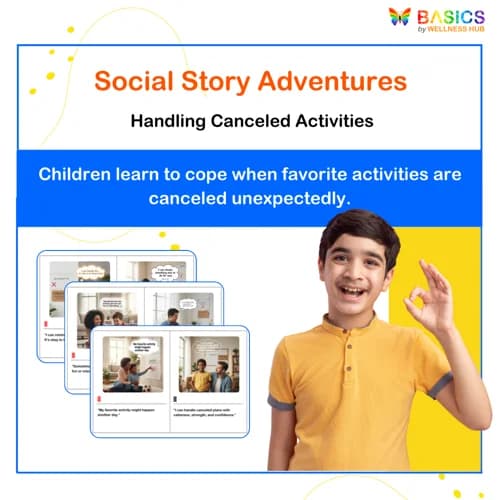
Helping children navigate disappointment and change is crucial for their emotional development and resilience. The "When My Favorite Activity Is Canceled" social story PDF is designed to support children in understanding and coping with situations when plans don't go as expected. Through relatable scenarios and real-life images, this resource helps children process their feelings and learn adaptive strategies. Ideal for use in home settings, classrooms, and therapy sessions, this social story can assist children in developing emotional regulation and problem-solving skills.
Product Details
- Format: Printable PDF
- Total Pages: 11
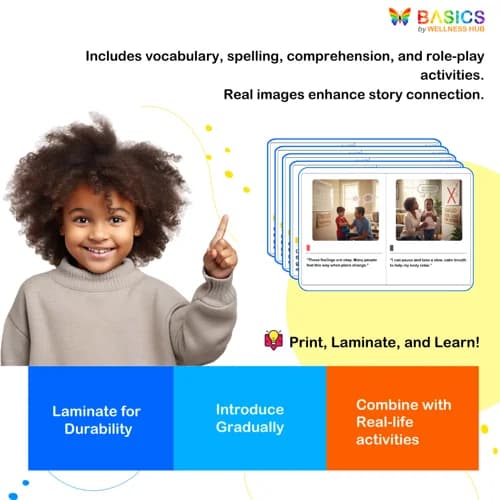
- Social Story: 8 pages, 16 segments, each with a real image and a sentence in the first person to enhance connection and understanding.
- Vocabulary and Spelling: Page 9 includes 5 vocabulary words with multiple-choice definitions and 5 spelling words with correct and incorrect options to choose from.
- Comprehension: Page 10 features questions to assess understanding of the social story and encourage critical thinking.
- Role-Play Activities: Page 11 provides scenarios for children to practice responses and strategies from the social story.
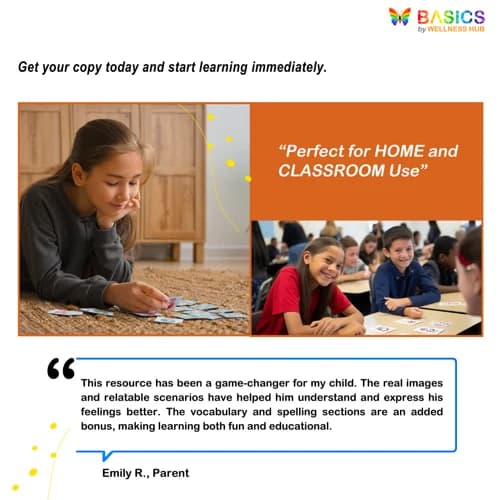
- Designed For: Emotional development, coping skills, language development, and social skills training. Suitable for use in speech therapy, special education, and at home.
Content Overview:
Educational Benefits
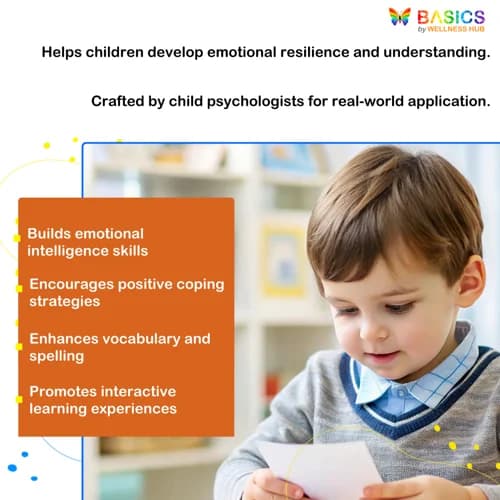
1. Emotional Regulation and Resilience
- Helps children understand and manage feelings of disappointment when plans change.
- Encourages the development of coping strategies for unexpected situations.
2. Enhances Language and Vocabulary Skills
- Introduces new vocabulary words in context, aiding comprehension and retention.
- Improves spelling skills through engaging, interactive activities.
3. Supports Critical Thinking and Comprehension
- Encourages children to think critically about the story and apply it to their own experiences.
- Promotes understanding of cause and effect in social situations.
4. Social Skills and Problem-Solving
- Teaches children how to communicate their feelings and find alternative solutions.
- Provides practical examples of how to handle disappointment in a socially appropriate manner.
5. Visual Learning and Engagement
- Uses real-life images to make the story relatable and engaging for visual learners.
- Helps children with special needs or autism by providing clear, structured scenarios.
Instructions for Use
Step 1: Reading the Social Story
- Read the social story together with the child, focusing on each segment.
- Discuss the images and sentences, ensuring the child understands the situation and emotions involved.
- Ask questions like, "How would you feel if your favorite activity was canceled?" to encourage discussion.
Step 2: Vocabulary and Spelling Activities
- Review the vocabulary words on page 9 with the child.
- Have the child choose the correct definition for each word to reinforce understanding.
- Practice spelling by selecting the correct spelling option for each word.
Step 3: Comprehension Questions
- Use the questions on page 10 to assess the child's understanding of the story.
- Encourage the child to think about how they might handle similar situations in real life.
- Discuss their answers to promote critical thinking and empathy.
Step 4: Role-Play Activities
- Engage in role-play scenarios from page 11 to practice coping strategies.
- Encourage the child to act out different responses to a canceled activity.
- Use props or toys to make the role-play more interactive and relatable.
Step 5: Reinforcement and Real-Life Application
- Encourage the child to apply the strategies learned in the story to real-life situations.
- Provide positive reinforcement when they use appropriate coping skills.
- Revisit the social story regularly to reinforce learning and build confidence.
Activities Using the Resource
1. Picture and Sentence Matching
Objective: Enhance understanding of the social story by connecting images with text.
How to Play:
- Print and cut out the images and sentences from the social story.
- Mix them up and ask the child to match each image with its corresponding sentence.
- Discuss why each image fits with its sentence and how it relates to the story.
Skill Development:
- Visual literacy
- Comprehension
- Attention to detail
2. Vocabulary Bingo
Objective: Reinforce vocabulary understanding in a fun, engaging way.
How to Play:
- Create bingo cards with vocabulary words from the story.
- Read definitions aloud, and have the child mark the correct word on their card.
- Use small tokens or stickers for marking words.
Skill Development:
- Vocabulary retention
- Listening skills
- Word recognition
3. Emotion Wheel Craft
Objective: Help children identify and express emotions related to disappointment.
How to Play:
- Create an emotion wheel with sections for different feelings (e.g., sad, frustrated, calm).
- Discuss each emotion and when it might be felt during a canceled activity.
- Use the wheel to express feelings during role-play or real-life situations.
Skill Development:
- Emotional awareness
- Self-expression
- Empathy
4. Spelling Relay
Objective: Improve spelling skills through movement and teamwork.
How to Play:
- Write spelling words on cards and place them at one end of a room.
- Have the child run to pick a card, return, and spell the word aloud.
- Offer hints or corrections as needed, and celebrate correct spellings.
Skill Development:
- Spelling accuracy
- Physical coordination
- Teamwork
5. Comprehension Charades
Objective: Deepen comprehension through acting and observation.
How to Play:
- Choose a segment from the story and act it out without words.
- Have the child guess which part of the story is being portrayed.
- Discuss the segment's meaning and its relevance to handling disappointment.
Skill Development:
- Interpretation skills
- Non-verbal communication
- Critical thinking
6. Role-Play Scenarios
Objective: Practice real-life application of coping strategies.
How to Play:
- Use scenarios from the social story for role-play (e.g., "What would you do if your playdate was canceled?").
- Encourage the child to act out different responses and discuss the outcomes.
- Use props to make the scenarios more engaging and realistic.
Skill Development:
- Problem-solving
- Social communication
- Adaptability
7. Personal Story Creation
Objective: Encourage children to relate the story to their own experiences.
How to Play:
- Have the child create their own short story about a time their plans changed.
- Use drawings or digital tools to illustrate the story.
- Share and discuss the story, focusing on feelings and coping strategies used.
Skill Development:
- Creative writing
- Personal reflection
- Narrative skills
Frequently Asked Questions
Q1: How can the "When My Favorite Activity Is Canceled" social story be used effectively?
A1: This social story can be read together with a child to discuss emotions and coping strategies when plans change. Use the real-life images and first-person sentences to help the child connect with the scenarios. Engage in activities like vocabulary and spelling on page 9, comprehension questions on page 10, and role-play activities on page 11 to reinforce learning and application.
Q2: Is this resource suitable for children with special needs?
A2: Yes, the social story is designed to support children with special needs, including those with autism and language delays. The use of real images, simple language, and structured scenarios makes it accessible and relatable, helping children understand and manage their emotions effectively.
Q3: Can this resource be integrated into classroom activities?
A3: Absolutely. Teachers can incorporate the social story into lessons on emotional regulation, language development, and social skills. Activities like picture and sentence matching, vocabulary bingo, and role-play scenarios can be used in group settings to encourage interaction and learning.
Q4: How often should the social story be revisited?
A4: Regular revisits are recommended to reinforce the coping strategies and vocabulary. Consistent exposure helps children internalize the lessons and apply them in real-life situations. Encourage children to share their experiences and discuss how they used the strategies from the story.
Q5: What is Wellness Hub's approach to therapy and support?
A5: Wellness Hub combines professional expertise with innovative digital tools to provide therapy and support for children and families. Their approach includes personalized sessions, interactive resources, and a strong focus on caregiver involvement to ensure effective and accessible care.
Q6: What types of therapy does Wellness Hub offer?
A6: Wellness Hub offers a range of services, including speech and language therapy, occupational therapy, autism and ADHD support, behavioral therapy, and mental health counseling. These services are designed to address diverse developmental and emotional needs.
Q7: How can I access Wellness Hub's resources and services?
A7: Resources and services are accessible through Wellness Hub's online platform. You can start with a free consultation to discuss your child's needs, followed by personalized therapy sessions and access to a library of home therapy resources.
Q8: What is the Tele-BASICS platform?
A8: The Tele-BASICS platform is an innovative digital tool by Wellness Hub that makes therapy interactive and engaging through video sessions, games, and structured resources. It enhances the therapy experience by providing accessible and effective support remotely.
Q9: What is Wellness Hub's policy on privacy and caregiver involvement?
A9: Wellness Hub prioritizes privacy and caregiver involvement in all therapy sessions. They ensure that all interactions are confidential and encourage caregivers to actively participate in the therapy process to support their child's progress.
Q10: Can I get a refund if I'm not satisfied with the services?
A10: Wellness Hub is committed to providing high-quality care and support. If you have concerns about the services, it is recommended to contact their support team to discuss your experience and explore possible solutions.
Usage Rights and Restrictions
Allowed Usage:
- Personal use by parents, teachers, and therapists.
- Printable for classroom, home, or therapy settings.
- Can be used in group or one-on-one learning sessions.
Not Allowed:
- Reselling, redistributing, or modifying the resource for commercial use.
- Sharing publicly (e.g., on blogs, social media, or websites) without permission.
- Uploading the file to public sharing platforms.
If you need a bulk license for schools or therapy centers, please contact us.
Conclusion
The "When My Favorite Activity Is Canceled" social story PDF is a comprehensive resource designed to help children navigate the emotional challenges of disappointment and change. With its engaging real-life images and first-person narrative, this tool effectively supports emotional regulation, language development, and social skills. Ideal for parents, educators, and therapists, it provides structured activities that reinforce coping strategies, vocabulary, and comprehension. By regularly revisiting this resource, children can build resilience and adaptability, preparing them to handle life's unexpected changes with confidence and understanding.